















Surgery Abroad After Weight Loss: Key Risks and Advice



Achieving a healthier body shape is a monumental milestone, and if you have recently shed a significant amount of weight, you deserve to celebrate. However, major weight reduction often leaves behind loose skin, leading many individuals to consider cosmetic surgery abroad after weight loss. Whether you have achieved your goals through lifestyle changes or a clinical weight loss programme, taking the next step to contour your body is a deeply personal decision. In this guide, our superintendent pharmacist, Zeinab Ardeshir, outlines what you must consider before booking any procedures overseas.
In this post:
Common Procedures for Surgery Abroad After Weight Loss
When patients seek surgery abroad after weight loss, they are usually looking to address areas where excess skin remains. The three most common body-contouring procedures include:
- Abdominoplasty (Tummy Tuck): This involves an incision from hip to hip, close to the underwear line. The surgeon tightens the underlying abdominal muscles, pulls down the excess skin, removes the surplus, and creates a new opening for the belly button.
- Breast Enhancement, Reduction, or Lift: Often sought after in women’s health care, this procedure reshapes the breasts. It typically requires side incisions to insert implants, reposition the nipples, or remove sagging skin.
- Brachioplasty (Arm Lift): Commonly referred to as addressing “bingo wings,” this involves an incision along the inner arm to remove excess fat and skin tissue.
While these procedures can dramatically improve your confidence and physical comfort, they are major surgeries that require general anaesthetic and intensive post-operative care.
Why Do People Choose to Go Abroad?
Medical tourism has grown rapidly, with many people choosing to travel for their post-weight-loss procedures. The primary drivers are cost-effectiveness and avoiding long waiting lists in the UK. Additionally, some patients view the trip as a “treat” or a rewarding holiday after working hard to manage obesity. However, combining a major surgical recovery with international travel introduces unique complexities that you must prepare for.
Understanding the Medical Risks of Surgery Abroad After Weight Loss
Every invasive procedure carries inherent dangers, but undergoing surgery abroad after weight loss introduces specific physiological and logistical risks that you must understand:
1. Deep Wound Infections
Infection can occur after any surgery, but deep tissue wounds are particularly vulnerable. Signs of infection include localized redness, swelling, and a smelly discharge from the wound. While a fever is a classic sign of infection, post-operative pain relief medications can mask a high temperature until the infection is advanced. You must ensure you have access to appropriate dressings and antibiotics both before and after your procedure.
2. Managing Surgical Drains
These operations usually require the placement of surgical drains (tubes) to remove serous fluid, which your body naturally produces to fill the gaps created when skin and muscle are separated. These drains must remain in place until the
3. Blood Clots and Immobility
Surgery increases your risk of blood clots due to blood vessel damage, inflammation, and prolonged immobility. To mitigate this risk, you will need preventative medications and specialized compression garments (for the abdomen or breasts) that must be worn continuously for several weeks to support your circulation and healthy living recovery goals.
4. Delayed Wound Healing
Your body requires a significant amount of energy to heal large surgical wounds. It is completely normal to experience an appetite surge after surgery as your body demands extra calories and high-quality protein to rebuild tissue. Neglecting your nutrition can severely delay wound healing and increase scarring. You may also experience numbness around the scar area for several months as damaged nerves slowly recover.
5. Severely Limited Mobility
Recovery is a slow process. After an abdominoplasty or breast surgery, you will need to sleep at a 45-degree angle or upright for several days. Heavy lifting is strictly off-limits for four to six weeks, meaning you will need physical assistance if you have young children. Most patients cannot return to a desk job for four to six weeks, and physical exercise or gym work must be avoided for eight to twelve weeks.
Managing Your GLP-1 Medication and Weight Before Surgery
If your journey involved medical support for weight loss, managing your medication timing is critical for your safety under general anaesthetic. Weight management is a chronic and relapsing process, and surgeons prefer to see that you have maintained a stable weight for several months before operating.
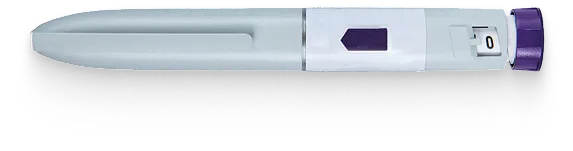
If you are using GLP-1 receptor agonists (frequently prescribed for weight management or diabetes), you must temporarily pause your treatment before undergoing surgery. These medications slow down your digestion and gastric emptying. Under general anaesthetic, delayed stomach emptying significantly increases the risk of aspiration, which can be life-threatening. You should stop your GLP-1 injections at least one week—and ideally up to four weeks—prior to your scheduled surgery.
After your operation, you should wait at least two weeks before restarting your GLP-1 therapy. This delay ensures your body has recovered from the immediate surgical trauma and is absorbing enough nutrients to heal. When you do resume, it is highly recommended to restart on a lower dose to let your body readapt, prioritising your general health and well-being.
How to Plan Safely for Surgery Abroad After Weight Loss
If you decide to proceed with surgery abroad after weight loss, thorough preparation is your best defence against complications. First, secure comprehensive travel insurance that explicitly covers medical tourism and potential surgical complications. Standard travel policies will not cover these risks.
Educate yourself by researching reputable medical resources. The British Association of Plastic, Reconstructive and Aesthetic Surgeons (BAPRAS) provides excellent guidance on checking surgeon credentials and clinic safety standards abroad. Additionally, the NHS website and GOV.UK offer essential travel health advice. Be cautious of clinics that promise rapid, effortless recoveries; if a deal sounds too easy or too cheap, treat it as a red flag.
Finally, remember that travelling home too soon after surgery dramatically escalates your risk of deep vein thrombosis (DVT), especially on flights lasting longer than six hours. Plan to stay near your surgical clinic for a safe period before flying, keep moving during your journey, wear your compression garments, and ensure you have a robust support network ready to assist you when you return home.
Need Support or Have Questions?
If you have concerns or need further advice, our team at PillSorted is here to help. Contact us via our support portal: PillSorted Support.
Disclaimer: This blog post is for informational purposes only and does not constitute medical advice. Always consult a qualified healthcare professional before making changes to your health routine.