













Managing Hormonal Hair Loss: Causes and Treatments


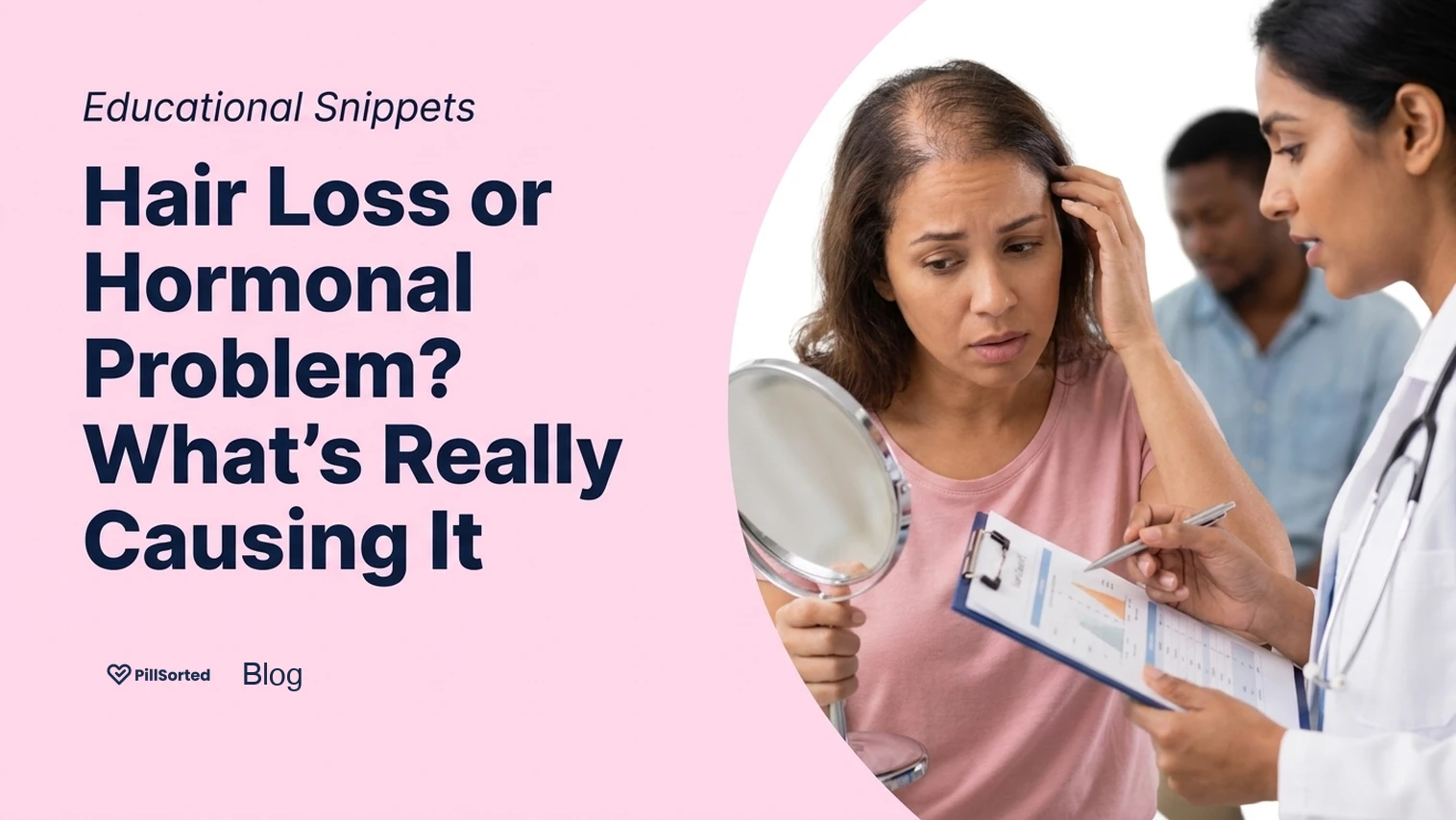
If you have recently noticed more hair on your pillow in the morning, or found more strands than usual left in your hand after running your fingers through your hair, you might be wondering what is going on. Hair shedding can be a deeply distressing experience, and one of the most common culprits behind this change is hormonal hair loss. Understanding why your hair is thinning is the first step toward finding an effective solution and regaining your confidence.
In this post:
Understanding the Hair Growth Cycle
Before exploring the triggers of hair thinning, it helps to understand how your hair grows. Every person is born with around 100,000 hair follicles on their scalp. These follicles do not multiply over your lifetime, and each one grows a single strand of hair at a time through a continuous four-phase cycle:
- Anagen (Growth Phase): This is where your hair spends most of its life, typically lasting between five and seven years. At any given time, roughly 85% to 90% of the hair on your head is in this active growth phase.
- Catagen (Transition Phase): A very short phase lasting about two to three weeks, during which the hair follicle shrinks and detaches from the dermal papilla.
- Telogen (Resting Phase): The hair strand simply sits in the follicle for around three months without growing.
- Shedding Phase (Anagen Restart): The old hair strand finally falls out, and the follicle begins growing a new strand, restarting the cycle.
Because of this natural cycle, it is entirely normal to lose between 50 and 100 hair strands every single day. However, when this delicate cycle is disrupted, you may start to notice excessive shedding or thinning.
What Is Hormonal Hair Loss?
Hormones act as powerful chemical messengers in the body, and even minor fluctuations can disrupt your hair follicles. When we talk about hormonal hair loss, we are usually referring to imbalances that shorten the growth phase or shrink the hair follicles, causing new hairs to grow in much finer and weaker than before.
This type of thinning is a crucial aspect of women’s health, as women experience significant hormonal shifts throughout their lives. The primary hormonal triggers include:
- Thyroid Disorders: Both an underactive thyroid (hypothyroidism) and an overactive thyroid (hyperthyroidism) can disrupt the production of hormones essential for hair development, leading to widespread thinning.
- Polycystic Ovary Syndrome (PCOS): This condition involves elevated levels of androgens (male hormones), which can shrink hair follicles on the scalp. PCOS is also closely linked to insulin resistance, meaning managing conditions like diabetes and obesity is often a key part of the wider treatment plan.
- Menopause: As women approach menopause, levels of estrogen and progesterone drop. These female hormones help keep hair in the growth phase. When they decline, the relative increase in androgens can cause the hair to thin out, particularly at the crown.
Distinguishing Hormonal Hair Loss from Other Causes
To address hair thinning effectively, it is vital to distinguish hormonal hair loss from other common types of hair shedding. Because different conditions require entirely different treatments, identifying the root cause is essential.
The most common non-hormonal causes of hair loss include:
- Pattern Baldness (Androgenetic Alopecia): While influenced by hormones, this is primarily a genetic condition. In men, it typically begins with a receding hairline. In women, it usually presents as a widening of the parting line. While it causes progressive thinning, it rarely leads to complete baldness in women.
- Telogen Effluvium: This is a temporary form of thinning triggered by intense physical or emotional stress. Events such as childbirth, severe illness, or sudden weight loss shock the body, forcing a large number of hair follicles prematurely into the resting phase. This results in diffuse shedding about two to four months after the stressful event.
- Alopecia Areata: This is an autoimmune condition where the body’s immune system mistakenly attacks the hair follicles. It presents very differently from hormonal thinning, appearing as distinct, smooth, round bald patches that can range from the size of a pea to the palm of your hand, and can also affect the eyebrows.
- Nutritional Deficiencies: Low levels of essential nutrients—such as iron, vitamin D, zinc, and B vitamins—can starve the hair follicles, leading to weak strands and increased shedding.
How to Manage and Treat Hormonal Hair Loss
If you suspect your hair thinning is linked to a hormonal imbalance, the first step is to speak with a healthcare professional to get a clear diagnosis. A simple blood test is incredibly useful; it can check your thyroid function, blood sugar levels (to rule out issues related to diabetes), and screen for nutritional deficiencies like low iron or vitamin D. Addressing these underlying issues is vital to support your general health and give your hair the best chance to regrow.
In addition to treating the root hormonal cause, several targeted treatments and supportive therapies can help manage hormonal hair loss:
- Minoxidil (Regaine): This is a highly effective, over-the-counter topical treatment available for both men and women. It works by widening blood vessels and increasing blood flow to the hair follicles, which helps prolong the growth phase. Because the hair cycle takes time, you will need to use it consistently for a few months before you see new, stronger strands sprouting.
- Finasteride: This oral medication is highly effective for male pattern baldness. However, because it can be harmful during pregnancy, it is rarely prescribed to women of childbearing age unless under the strict supervision of a specialist consultant.
- Optimising Scalp Health: A healthy scalp is the foundation for healthy hair. Conditions like dandruff, seborrheic dermatitis, or scalp psoriasis do not directly cause hair loss, but the resulting itchiness can lead to scratching, which physically pulls out hair. Using therapeutic shampoos containing coal tar (such as Capasal or Polytar) or ketoconazole (such as Nizoral) once or twice a week can keep your scalp clean and irritation-free.
- Gentle Hair Care and Nutrition: Be kind to your hair. Avoid tight hairstyles that pull on the follicles, and brush gently every day to stimulate the scalp. You can also support your hair strands by applying natural oils, such as coconut, argan, or olive oil, which help prevent breakage.
Finally, do not underestimate the power of lifestyle adjustments. Since stress directly impacts your hormone levels and can worsen hair shedding, prioritising good sleep, practicing relaxation techniques, and supporting your mental health are essential pillars of healthy living. By taking a holistic approach to your physical and emotional well-being, you can help restore balance to both your body and your hair growth cycle.
Need Support or Have Questions?
If you have concerns or need further advice, our team at PillSorted is here to help. Contact us via our support portal: PillSorted Support.
Disclaimer: This blog post is for informational purposes only and does not constitute medical advice. Always consult a qualified healthcare professional before making changes to your health routine.