












Travellers Diarrhoea Prevention: A Complete Guide


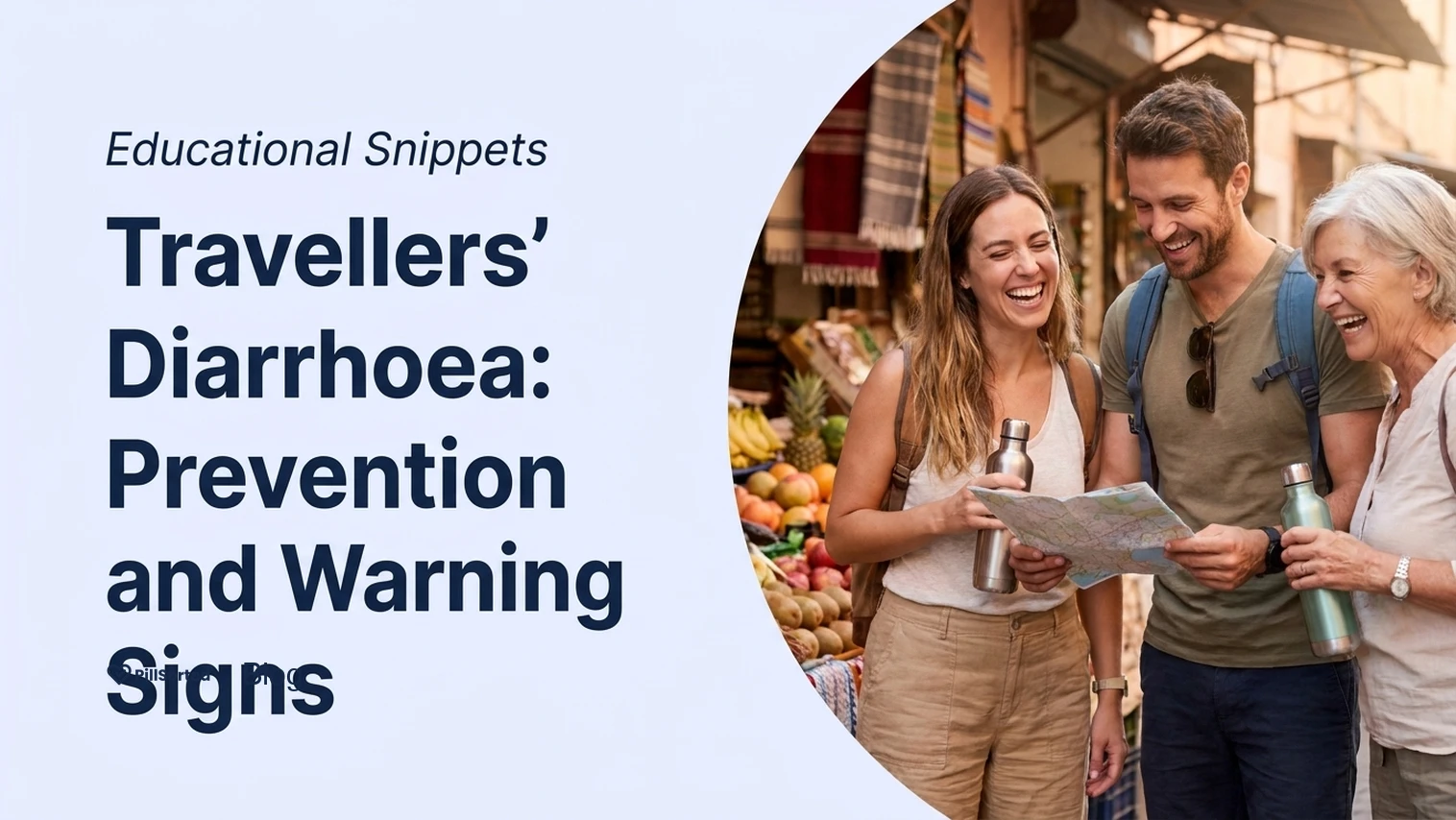
Jetting off abroad is one of the highlights of the year, but nothing ruins a holiday faster than an unexpected bout of stomach trouble. When it comes to staying healthy abroad, understanding travellers diarrhoea prevention is the single most important step you can take to protect your trip. As the most common illness British travellers encounter overseas, it can affect anyone, but with a few simple precautions, you can keep your digestive system happy and healthy. In this guide, our Superintendent Pharmacist at PillSorted, Zeinab Ardeshir, explains how to avoid this common holiday spoiler and what to do if you or your family fall ill.
In this post:
Why Travellers Diarrhoea Prevention Matters
Travellers’ diarrhoea is defined as experiencing three or more loose, watery stools within a 24-hour period while travelling abroad. It is often accompanied by other uncomfortable symptoms, such as abdominal cramps, nausea, vomiting, fever, or even blood in the stool. While it is rarely life-threatening for healthy adults, it can easily derail your holiday plans and leave you confined to your hotel room. Focusing on proactive measures helps support your overall respiratory and digestive health, ensuring you can enjoy your trip to the full.
For most people, the illness is self-limiting, meaning it will clear up on its own as your body flushes out the pathogen. However, the dehydration it causes can pose a significant threat, particularly to vulnerable groups. Maintaining a strong baseline of general health before you travel is highly recommended, but knowing how to avoid exposure to pathogens in the first place is your best line of defence.
What Causes Travellers Diarrhoea?
A common misconception is that travellers’ diarrhoea is simply the result of eating rich, spicy, or unusual food. In reality, 80% to 90% of cases are caused by bacterial infections, most commonly strains of E. coli or Salmonella. While some strains of E. coli live harmlessly in our digestive tracts, foreign strains introduced through contaminated food or water can trigger a severe reaction.
Other culprits include viruses, such as Norovirus, which are notorious for causing rapid outbreaks in closed environments like cruise ships and hotels. Parasites like Giardia can also cause the illness; these often take longer to manifest but can cause symptoms that linger for weeks if left untreated. Because these pathogens are usually spread through contaminated water or undercooked food, prioritizing healthy living habits while away is essential. For destination-specific risks, resources like the Travel Health Pro website offer invaluable, up-to-date guidance.
Practical Tips for Travellers Diarrhoea Prevention
The cornerstone of effective travellers diarrhoea prevention is water safety. When visiting destinations with poor water sanitation, you must be incredibly mindful of how you interact with local water. Always drink bottled water and check that the seal is intact before opening. This rule extends to everyday habits: use bottled water to brush your teeth, and try to keep your mouth closed while showering or swimming. Avoid ice in your drinks, as freezing does not kill the bacteria and viruses that cause stomach upset.
Food safety is equally critical. Stick to the classic travel rule: boil it, cook it, peel it, or forget it. Avoid raw fruits and vegetables unless you can peel them yourself. Be highly cautious of dairy products, especially creamy desserts or unpasteurised cheeses that may have sat out on hotel buffets. Zeinab recalls a personal holiday experience where she was the only family member to eat a creamy buffet dessert, resulting in a severe, holiday-ruining case of diarrhoea while caring for her young son. Lastly, prioritize hand hygiene. Wash your hands thoroughly with soap and water before eating, and carry antibacterial gels or wipes with you at all times. These simple steps are vital for protecting women’s health, particularly during pregnancy when dehydration risks are much higher.
When Travellers Diarrhoea Prevention Fails: Treatment
If you do fall ill despite your best efforts at travellers diarrhoea prevention, the primary goal of treatment is rehydration. You must replace the water and essential salts your body is losing. Over-the-counter rehydration therapies, such as Dioralyte or Oral Rehydration Salts (ORS), are brilliant to pack in your travel first-aid kit. If you do not have these to hand, you can make a simple rehydration solution by mixing six level teaspoons of sugar and one level teaspoon of salt into a litre of clean water, adding a splash of apple juice to make it more palatable. Flat, non-fizzy sports drinks like Lucozade can also help replenish electrolytes.
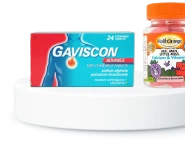
For adults, anti-diarrheal capsules like loperamide can help slow down gut transit, but these should only be used to make travel more manageable and never if you have a high fever or bloody stools. When your appetite returns, stick to bland, easily digestible foods like toast, crackers, bananas, and potatoes, which help support the friendly bacteria in your gut. Probiotics, such as a simple combination of cooked rice and plain yoghurt, can also aid recovery.
Special care must be taken if you take regular medications. For instance, those using GLP-1 receptor agonists (such as Mounjaro or Wegovy) for weight loss, or to manage diabetes and obesity, face a much higher risk of severe dehydration. Zeinab advises that if you experience a moderate to severe diarrhoeal episode, it is safest to temporarily pause your GLP-1 treatment, allow your body to fully recover, and then resume. Similarly, if you take “water tablets” (diuretics like furosemide) for blood pressure, you may need to stop taking them temporarily during an illness to prevent kidney damage. Falling ill abroad can be incredibly stressful and can negatively impact your mental health, so do not hesitate to contact NHS 111 or your pharmacy team online for guidance.
The Traffic Light System for Parents
When children contract travellers’ diarrhoea, parents must act quickly to monitor for dehydration. Zeinab recommends using a straightforward traffic light system to assess your child’s condition:
- Green (Observe): The child has loose stools but is drinking plenty of fluids, nibbling on bland foods, and passing urine normally. Keep them comfortable and monitor them closely.
- Amber (Seek Advice): The frequency of diarrhoea is increasing, a fever is developing, or the child is not passing as much urine. This indicates early dehydration. Call NHS 111 or consult a local pharmacist or doctor for advice.
- Red (Urgent Action): The child has sunken eyes, is extremely lethargic or unresponsive, is repeatedly vomiting, or has a high fever. Take them to the nearest medical centre immediately, as they may require intravenous fluids and prescription antibiotics.
By staying vigilant, packing the right rehydration therapies, and practicing strict food and water hygiene, you can ensure a safe, healthy, and highly enjoyable holiday for the whole family.
Need Support or Have Questions?
If you have concerns or need further advice, our team at PillSorted is here to help. Contact us via our support portal: PillSorted Support.
Disclaimer: This blog post is for informational purposes only and does not constitute medical advice. Always consult a qualified healthcare professional before making changes to your health routine.