














Flu vs Cold Symptoms: Spot the Difference


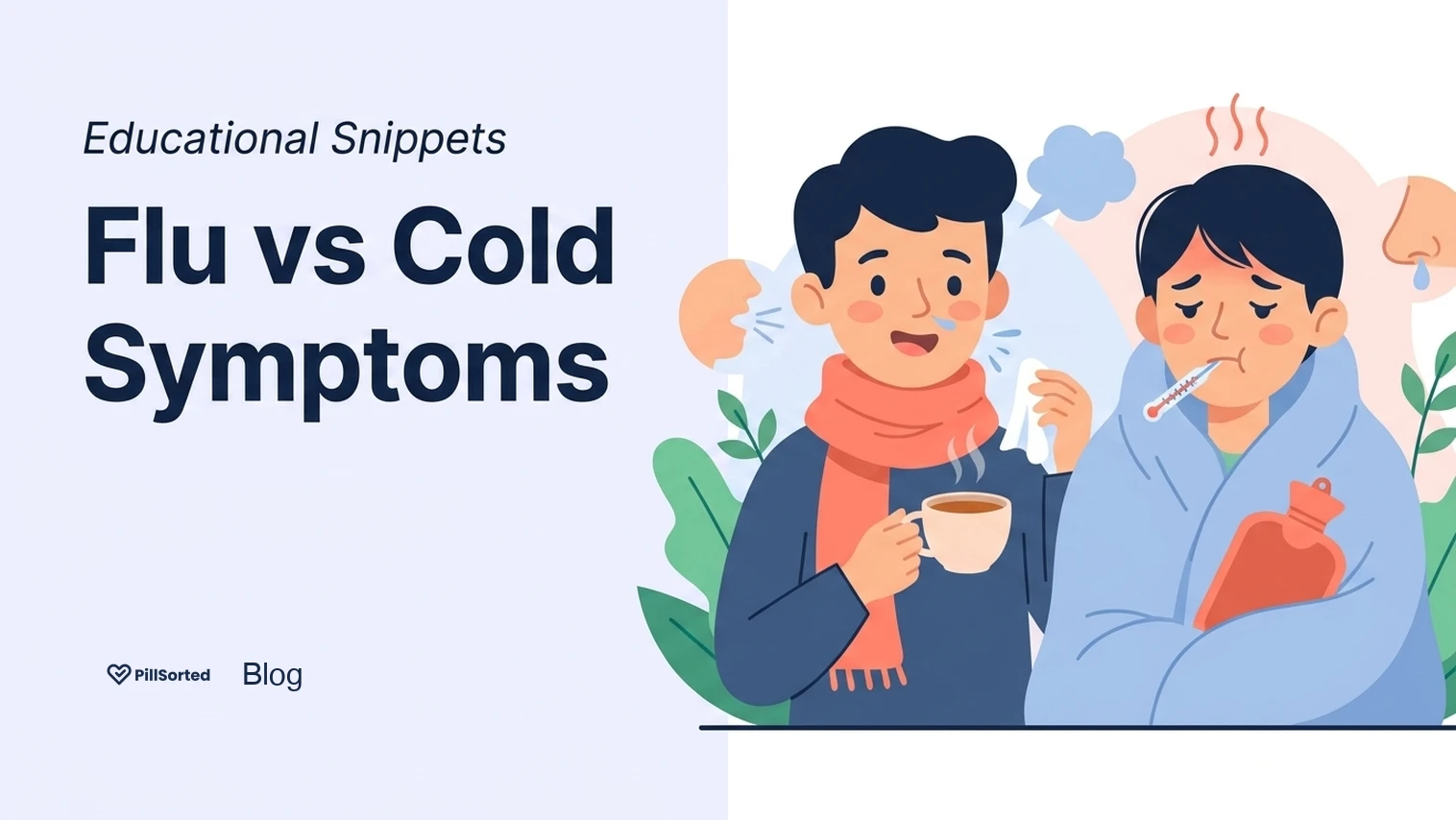
As the seasons change, many of us find ourselves wondering if that sniffle is just a common cold or something more serious like the flu. Understanding the differences between flu and cold symptoms is crucial for managing your health effectively. While both are respiratory illnesses with similar signs, they are caused by different viruses and can vary significantly in severity. Here at PillSorted, your local online pharmacy in Cambridge, we want to help you tell them apart and know how to best care for yourself at home. Our Superintendent Pharmacist, Zeinab Ardeshir, shares valuable insights in the video below.
In this post:
Flu vs Cold Symptoms: Key Differences
One of the most common questions we hear at the pharmacy is how to tell the difference between a common cold and the flu. While both are viral respiratory infections, the onset and severity of symptoms can vary significantly. Recognising these distinctions can help you manage your illness more effectively and decide when to seek professional advice.
The Common Cold: Symptoms and Onset
The common cold typically develops gradually over a day or two. You might first notice a slight tickle in your throat, which then progresses to other symptoms. Key indicators of a cold include:
- A runny nose, often clear at first, becoming thicker.
- Nasal congestion or feeling “bunged up” in your nose and sinuses.
- Sneezing.
- Mild fatigue.
Colds are generally milder than the flu and, while uncomfortable, usually don’t lead to serious health complications. They tend to resolve on their own within a few days to a week.
The Flu: Symptoms and Onset
In contrast, the flu (influenza) tends to strike quite suddenly. You might wake up feeling completely fine and then rapidly become very unwell within a matter of hours. The severity of symptoms is often much greater with influenza. Characteristic flu symptoms include:
- Sudden onset of symptoms.
- Prominent body aches and pains, often severe.
- High fever (typically 38°C or higher).
- Headache.
- Extreme fatigue and weakness.
- You might have less nasal congestion compared to a cold.
The flu can be debilitating and may lead to more serious complications, especially for vulnerable groups. It’s important to take flu seriously and consider vaccination annually.
Shared Symptoms: What Cold and Flu Have in Common
Despite their differences, colds and the flu do share several common symptoms, which can sometimes make it tricky to distinguish between them. These overlapping symptoms include:
- Sore throat: Both illnesses can cause a scratchy or painful throat.
- Cough: A cough, whether dry or chesty, can be present in both cold and flu.
- Mild temperature: While flu often brings a high fever, a mild temperature can also accompany a cold.
The good news is that both illnesses, in most cases, are self-limiting and clear up by themselves within a couple of days to a week. The goal of treatment is generally to relieve symptoms and support your body’s natural healing process. For more information on respiratory and digestive health, you can explore our dedicated section.
Treating Flu vs Cold Symptoms at Home
When you’re feeling under the weather with cold or flu symptoms, there are several effective strategies you can employ at home to help you feel better and speed up your recovery. These include important lifestyle adjustments and appropriate over-the-counter (OTC) medications.
Lifestyle Remedies for Cold and Flu
Two essential lifestyle factors can significantly aid your recovery:
- Rest: Getting plenty of rest allows your body to conserve energy and focus on fighting off the infection. This is crucial for a faster recovery.
- Hydration: Drink plenty of liquids, especially warm ones. Honey and lemon drinks can be particularly soothing for a sore throat and can help loosen mucus. Staying well-hydrated is vital for overall general health, especially when ill.
Over-the-Counter Medications for Relief
A range of pharmacy products can help alleviate specific symptoms of cold and flu:
- Pain Relief: For headaches, body aches, and fever, paracetamol and ibuprofen are effective options. You can take these regularly according to the package instructions. Always check for contraindications and consult a pharmacist if you have underlying health conditions.
- Nasal Congestion:
- Saline Rinses: Products like NeilMed Sinus Rinse or Sterimar Breathe Easy Daily nasal sprays (which are often suitable for children) help to clear nasal passages, reduce stuffiness, and flush out irritants. They can be used as often as needed.
- Decongestants: For adults, specific decongestant tablets (e.g., Sudafed with pseudoephedrine) or nasal sprays (e.g., Otrivine) can provide rapid relief from a blocked nose. However, it’s crucial to use nasal sprays for no more than 2-3 days, as overuse can lead to “rebound congestion,” making symptoms worse. Decongestants are generally for short-term use only. Herbal alternatives like Olbas oil or Vicks VapoRub (menthol-based products) can also help open airways and are safe for both children and adults.
- Sore Throat and Cough:
- Lozenges: Non-medicated lozenges such as Jakemans Honey & Lemon or Strepsils Honey & Lemon can keep your throat moist and help soothe irritation, reducing the urge to cough.
- Medicated Lozenges/Sprays: Products containing active ingredients like flurbiprofen (e.g., Strefen) or benzydamine hydrochloride (orosmucosal sprays) can provide anti-inflammatory action, reducing pain and inflammation in the throat. These should not be used too often.
- Combination Remedies: Many products combine several active ingredients to tackle multiple symptoms. Brands like Night Nurse, Beechams All in One, Cold & Flu Nurse, and Lemsip Max Day & Night offer relief from pain, cough, and congestion, with some even including a sleep aid. Always read the label carefully to understand the ingredients, especially if you are taking other medications, to avoid accidental double-dosing of active ingredients like paracetamol. These products often come in liquid, tablet, capsule, or hot drink sachet forms.
Remember, a pharmacist can offer tailored advice on the best products for your specific symptoms and any other health conditions you may have, ensuring safe and effective treatment. We’re always here to support your healthy living journey.
When to Seek Medical Advice for Flu or Cold Symptoms
While most colds and flu resolve on their own with rest and home care, it’s important to know when your symptoms might indicate a more serious issue requiring medical attention. Always trust your instincts, especially when caring for children.
You should contact your GP or NHS 111 if:
- For children: If their fever continues to rise, if they seem unusually unwell, or if you are concerned about their breathing.
- Coloured mucus/phlegm: If your nasal discharge or phlegm becomes yellow, green, or rusty-coloured, it could indicate a secondary bacterial infection, which might require antibiotics.
- Persistent or worsening symptoms: If your symptoms don’t improve after 7-10 days, or if they get worse.
- Shortness of breath or chest pain: These could be signs of a more severe respiratory infection like pneumonia.
- Severe headache or stiff neck: These could indicate more serious conditions.
- Weakened immune system: If you have a chronic health condition (e.g., diabetes, obesity), are pregnant (women’s health considerations), or are elderly, you may be at higher risk of complications and should seek medical advice sooner.
Early intervention can prevent complications and ensure a smoother recovery. Your local PillSorted pharmacy is always available for advice and support regarding your health concerns.
Need Support or Have Questions?
If you have concerns or need further advice, our team at PillSorted is here to help. Contact us via our support portal: PillSorted Support.
Disclaimer: This blog post is for informational purposes only and does not constitute medical advice. Always consult a qualified healthcare professional before making changes to your health routine.