
















How to Check Blood Pressure at Home: A Step-by-Step Guide


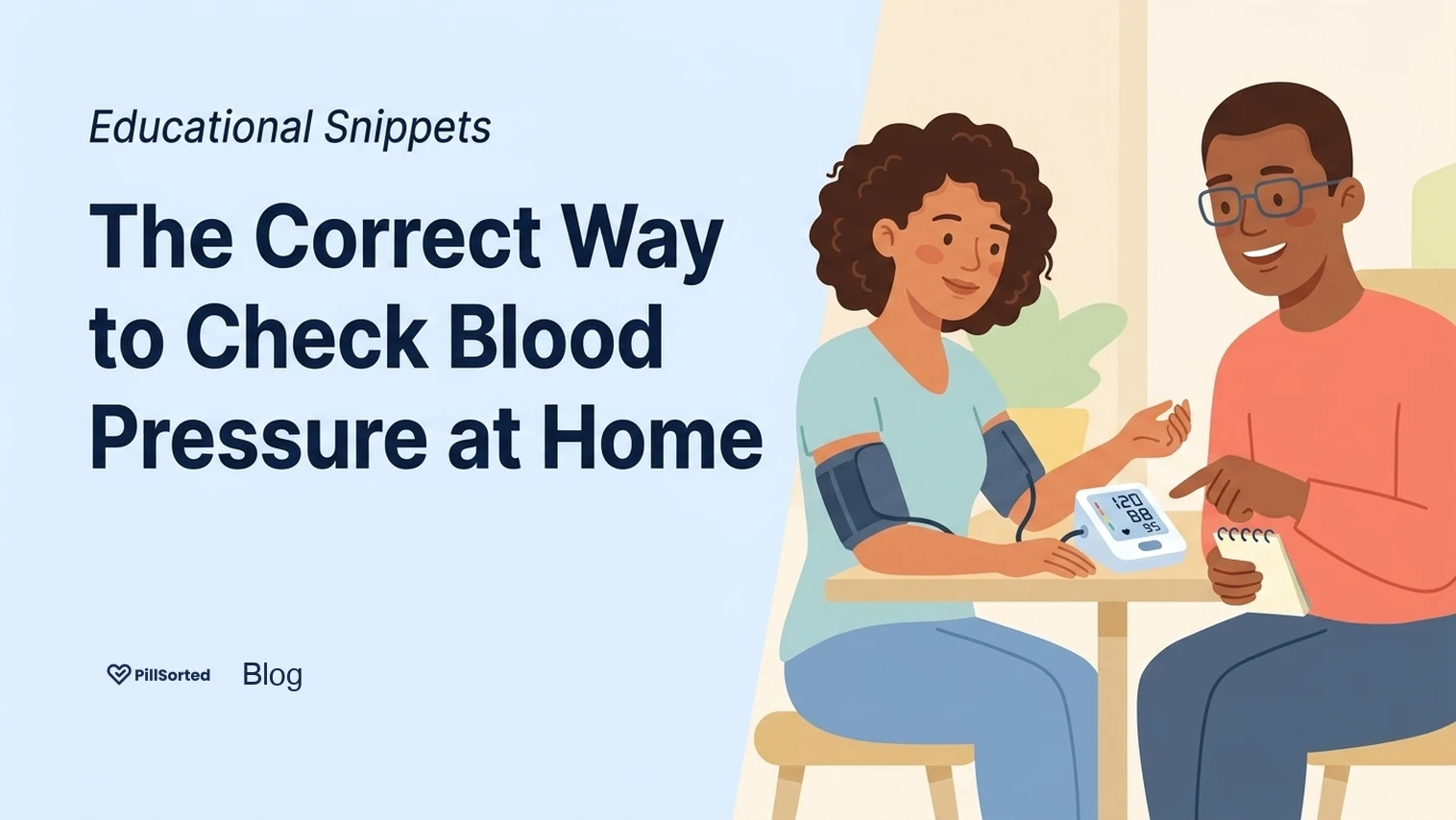
Many of us are looking for simple, proactive ways to manage our cardiovascular well-being, and learning how to check blood pressure at home is one of the most effective steps you can take. Whether you have been diagnosed with high blood pressure (hypertension), are managing chronic conditions like diabetes, or simply want to keep an eye on your general health, monitoring your numbers in a familiar environment provides a much more accurate picture of your true cardiovascular state. In this guide, PillSorted’s clinical pharmacist, Zeinab Ardeshir, demonstrates how to get a reliable reading in just a couple of minutes.
In this post:
Why You Should Check Blood Pressure at Home
For many people, visiting a GP surgery or a local pharmacy can trigger a subtle, subconscious stress response. This phenomenon, often referred to as “white-coat syndrome,” can temporarily elevate your readings, leading to an inaccurate assessment of your cardiovascular system. When you take your reading at home, you are in a comfortable, familiar setting, which helps eliminate this temporary spike. This provides your healthcare team with a realistic baseline of your daily numbers.
Regular home monitoring is also an invaluable tool if you are actively making lifestyle modifications. For instance, if you are currently on a weight loss journey or living with obesity, tracking your blood pressure can help you see how these changes may be affecting your body over time. Additionally, seeing stable, healthy numbers can provide immense peace of mind, which is incredibly beneficial for your overall mental health and well-being.
Choosing the Right Monitor for Your Needs
As Zeinab explains in the video, there are several types of devices available on the market. The most common and highly recommended device is the automatic digital upper-arm monitor. These devices are user-friendly and consistently deliver the most accurate results. Wrist monitors are also available and can be useful for individuals who find arm cuffs uncomfortable or difficult to fit, though they tend to be more sensitive to body positioning.
In some cases, your doctor or pharmacist might advise you to use a 24-hour ambulatory monitor. This is a portable device that you wear throughout the day and night, which automatically takes regular readings to assess how your blood pressure fluctuates during your normal daily routine. For standard home tracking, however, a validated digital upper-arm monitor remains the most reliable choice.
How to Check Blood Pressure at Home: Step-by-Step
To ensure your readings are as accurate as possible, it is essential to follow a structured method. Here is a simple, step-by-step guide based on Zeinab’s demonstration and official NHS guidelines:
- Prepare your body: Sit quietly for at least five minutes before taking a reading. Avoid drinking caffeinated drinks like tea or coffee, smoking, or exercising for at least 30 minutes beforehand, as these can artificially inflate your numbers.
- Position the cuff correctly: Slip the cuff onto your bare upper arm (or over very thin clothing). The rubber tube should emerge from the centre of the cuff, running down the middle of your inner arm, aligning with the centre line of your elbow crease.
- Adjust the tightness: Fasten the cuff so that it is snug but not uncomfortably tight. A good rule of thumb is that you should be able to slide two fingertips easily underneath the cuff. If it is too tight or too loose, the monitor will not be able to read your pulse accurately.
- Sit in the correct posture: Keep your feet flat on the floor and do not cross your legs, as crossing your legs can temporarily raise your blood pressure. Rest your arm on a flat surface, such as a table, so that the cuff is at the same level as your heart.
- Take the reading: Press the start button on your monitor. Keep still, breathe normally, and do not speak while the cuff inflates and deflates. Speaking or moving during the measurement can skew the results.
To gather reliable data that your clinical team can use to guide your treatment, consistency is key. The NHS recommends taking your blood pressure twice a day: once in the morning (before you take any medication or eat breakfast) and once in the evening. Each time you sit down to measure, you should take two or three separate readings, leaving a gap of one to two minutes between each one. Discard the first reading, then either write down the second reading or calculate the average of the remaining readings.
Keeping a written or digital log of your daily averages over a week is highly beneficial. This practice is particularly important in areas such as women’s health, where hormonal fluctuations, pregnancy, or menopause can influence cardiovascular trends. Sharing a clear, one-week log with your pharmacist or GP gives them a comprehensive overview, allowing them to make highly informed decisions about your care.
Understanding Your Readings: What the Numbers Mean
When you complete a reading, your monitor will display two main numbers, measured in millimetres of mercury (mmHg). The top number is your systolic pressure, which measures the force your heart exerts on the walls of your arteries each time it beats. The bottom number is your diastolic pressure, which measures the pressure in your arteries when your heart rests between beats.
For example, in the video, Zeinab’s monitor displays a reading of 134/85 mmHg. In the UK, home blood pressure readings below 135/85 mmHg are not considered to indicate high blood pressure (this corresponds to a clinic reading of below 140/90 mmHg). Ideally, blood pressure should be below 120/80 mmHg. If your home readings consistently average higher than this over several days, it is a good idea to reach out to a healthcare professional for advice. Conversely, if you feel unwell or dizzy and your readings are unusually low, seek clinical guidance promptly.
Need Support or Have Questions?
If you have concerns or need further advice, our team at PillSorted is here to help. Contact us via our support portal: PillSorted Support.
Disclaimer: This blog post is for informational purposes only and does not constitute medical advice. Always consult a qualified healthcare professional before making changes to your health routine.