














Weight Gain Blood Pressure: Understanding the Link


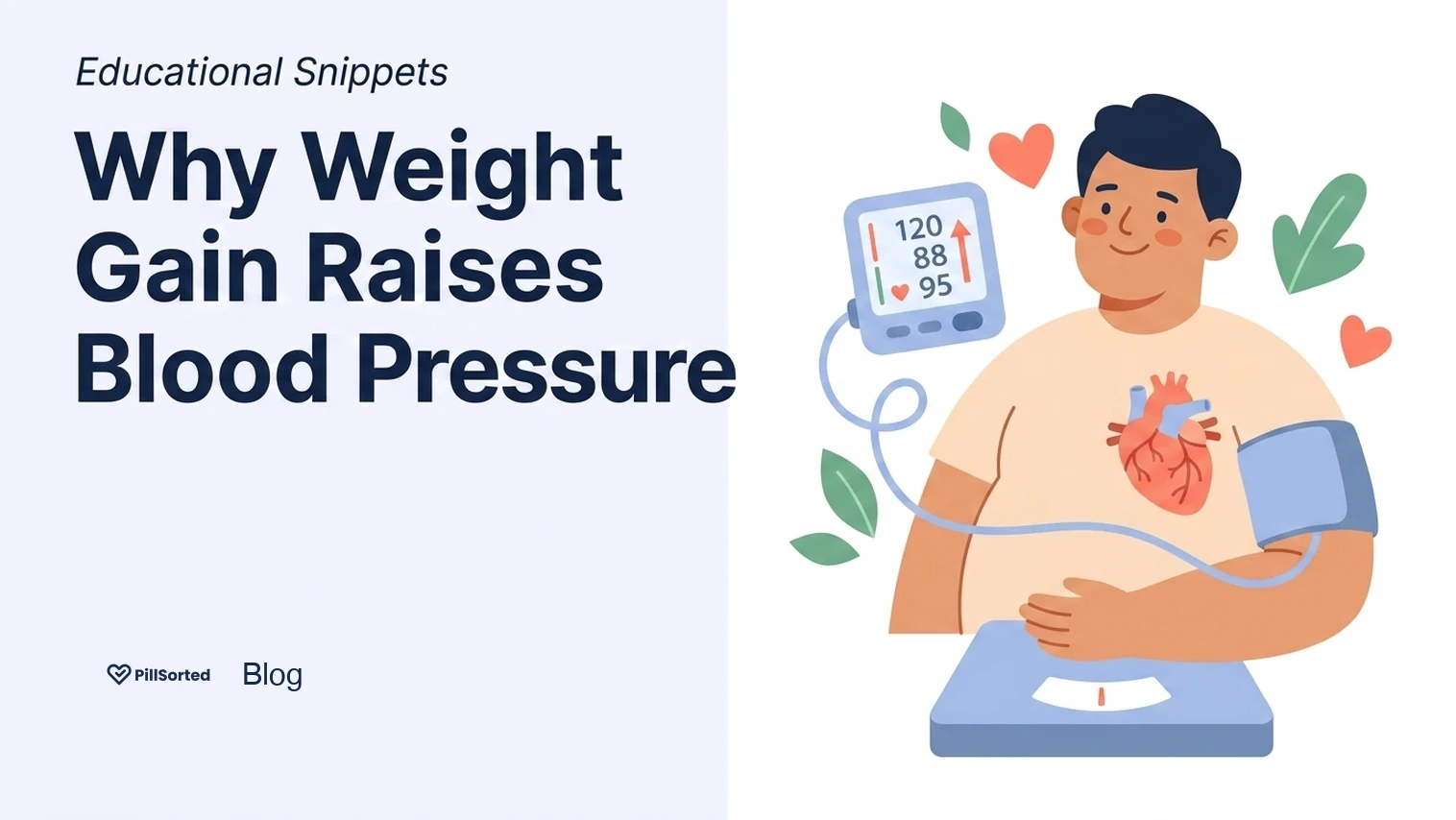
Many of us are aware that carrying extra weight can impact our general health, but the direct link between weight gain and blood pressure levels is one of the most critical relationships to understand for long-term well-being. In fact, research suggests that up to 75% of hypertension cases—or high blood pressure—are associated with being overweight or living with obesity. The encouraging news is that this is also one of the most reversible causes of cardiovascular strain. By addressing the root causes, we can significantly improve our heart health and overall quality of life.
In this post:
How Weight Gain and Blood Pressure Risks Develop
When our bodies gain excess weight, several physiological changes occur that directly increase the workload on our cardiovascular system. Understanding how weight gain contributes to blood pressure complications involves looking at the underlying biological mechanisms. When we carry extra weight, our overall body volume increases. This means the heart must pump a larger volume of blood around the body at any given time, naturally putting more pressure on the arterial walls.
To deliver essential oxygen and nutrients to this increased tissue mass, the heart is forced to pump much harder and stronger. This constant exertion can trigger the sympathetic nervous system—our body’s “fight or flight” mode—to go into overdrive. When this system is continuously switched on, it signals the kidneys to retain more salt and water. This fluid retention increases the volume of fluid in our blood vessels, driving blood pressure even higher.
Furthermore, excess fat cells, particularly visceral fat that surrounds vital organs, release inflammatory chemicals into the bloodstream. This visceral fat physically compresses the kidneys and other vital organs, creating a vicious cycle. High blood pressure damages the blood vessels over time, leading to further deterioration, which in turn causes the blood pressure to rise even more. Managing this cycle is crucial for protecting your long-term heart health.
Managing Weight Gain and Blood Pressure Through Lifestyle Changes
Addressing the dual challenges of weight gain and blood pressure requires a holistic approach. Similar to managing other chronic conditions, the most effective strategy always combines positive lifestyle changes with appropriate medical support. Lifestyle adjustments are particularly valuable because they work across multiple biological pathways simultaneously, helping to prevent the condition from worsening while promoting healthy living.
Key lifestyle modifications include:
- Reducing salt intake: Cutting down on salt directly supports kidney function and helps lower systolic blood pressure (the top number in a blood pressure reading).
- Increasing physical activity: Aiming for around 150 minutes of moderate exercise per week (the NHS-recommended amount) can lower your blood pressure by 4 to 9 mmHg.
- Dietary improvements: Eating plenty of fruits and vegetables, limiting alcohol consumption, and avoiding smoking all contribute to healthier blood vessels.
- Achieving sustainable weight loss: This remains the single most impactful lifestyle change you can make.
For every 1 kilogram of weight you lose, your blood pressure can decrease by approximately 1 mmHg. This means a weight loss of 10 kilograms (about 1.5 stone) could lower your reading by 10 mmHg—for instance, bringing a high reading of 140 mmHg down to a healthier 130 mmHg. This reduction is comparable to the effect of a single first-line prescription blood pressure medication. By committing to a structured weight loss plan, you also address the underlying causes of cardiovascular strain, such as reducing your resting heart rate, calming the sympathetic nervous system, and lowering systemic inflammation.
How GLP-1 Medications Target Weight Gain and Blood Pressure
For individuals living with obesity, lifestyle changes alone are sometimes not enough to achieve significant weight reduction. This is where modern medical treatments, such as GLP-1 receptor agonists, can play a supportive role. Medications like Mounjaro (tirzepatide) and Wegovy (semaglutide) work by mimicking natural hormones to reduce appetite, slow down digestion, and regulate insulin levels. While primarily known for helping people lose weight, these medications also have a direct, positive impact on blood pressure levels.
Clinical evidence has highlighted these benefits. In the SELECT clinical trial, which observed over 18,000 individuals with obesity and pre-existing cardiovascular issues, participants taking semaglutide experienced an average reduction in systolic blood pressure of 3.8 mmHg compared to those on a placebo. Similarly, the SURMOUNT trial for tirzepatide demonstrated an average systolic blood pressure reduction of 6.2 mmHg.
Beyond the weight loss itself, GLP-1 medications help lower blood pressure through several direct mechanisms. They encourage the kidneys to excrete more sodium, help relax and dilate the blood vessels, and reduce the inflammatory markers released by fat cells. These combined actions make them a valuable tool for individuals managing both weight and blood pressure concerns alongside related metabolic conditions, such as diabetes.
Practical Steps for Your Health Journey
If you are planning to start your weight loss journey to help manage your blood pressure, taking a systematic approach is essential for your safety. Begin by establishing a baseline blood pressure reading so you and your healthcare team can monitor your progress accurately. If you are already taking prescribed medication for hypertension, it is vital that you do not stop taking it when you begin your weight loss programme.
As you achieve significant weight loss—typically around the 10 kilogram or 1.5-stone mark—you should monitor your blood pressure more frequently. Because weight loss is so effective at reducing blood pressure, your readings may naturally return to a normal range. If you continue taking your usual dose of antihypertensive medication while your blood pressure is naturally dropping, your pressure could fall too low. Watch out for symptoms of low blood pressure, such as dizziness, light-headedness, or feeling faint when standing up from a sitting or lying position. If you experience these symptoms, consult your GP or pharmacist, as they may need to safely adjust or reduce your blood pressure medication to support your ongoing general health.
Need Support or Have Questions?
If you have concerns or need further advice, our team at PillSorted is here to help. Contact us via our support portal: PillSorted Support.
Disclaimer: This blog post is for informational purposes only and does not constitute medical advice. Always consult a qualified healthcare professional before making changes to your health routine.