












Understanding Your Pregnancy Cravings

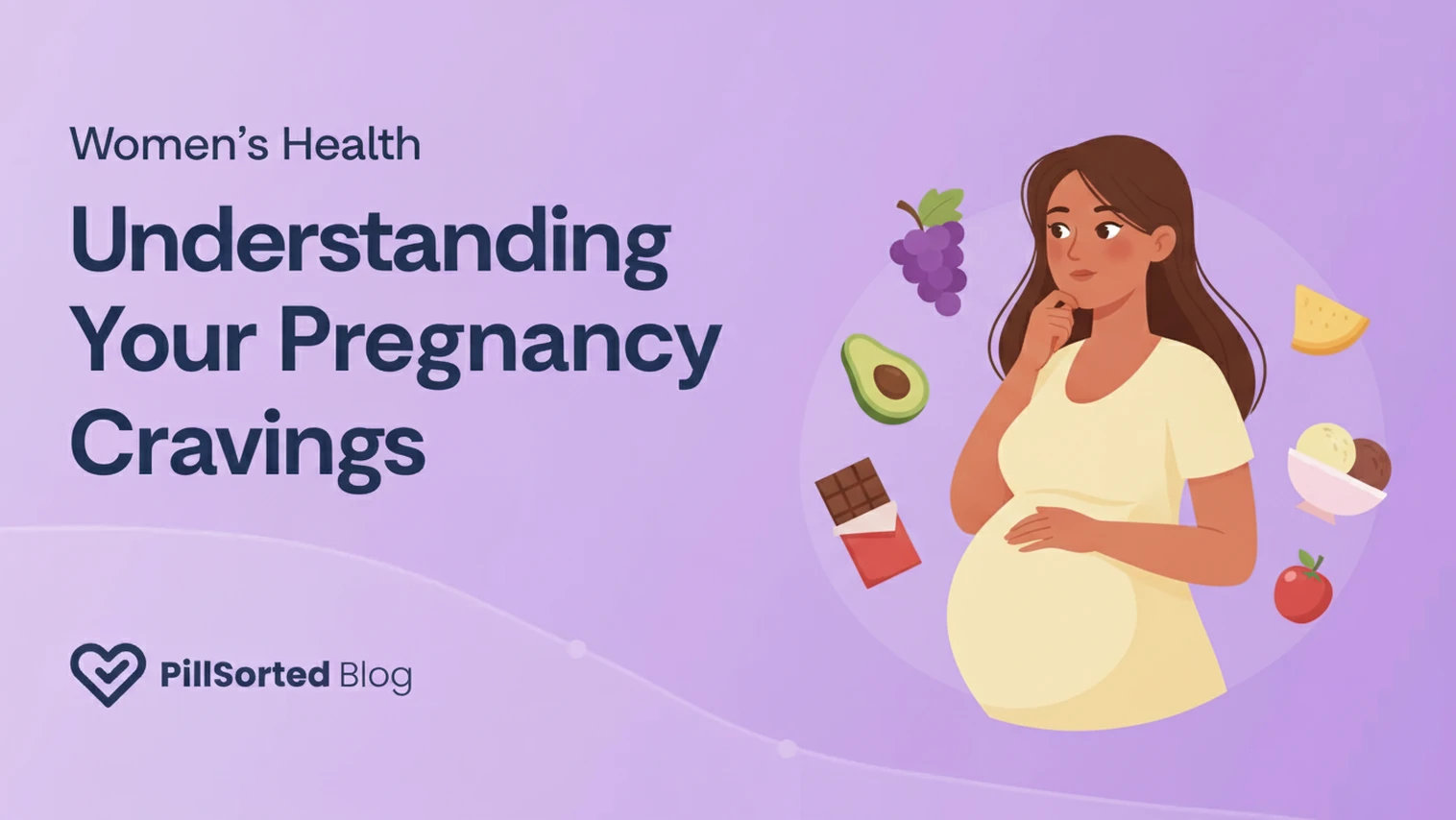
Few experiences are as unique and sometimes bewildering as the onset of pregnancy cravings and food aversions. One minute you can’t stand the smell of coffee, the next you’re desperate for pickles and peanut butter. These powerful urges and dislikes are a hallmark of pregnancy for many expectant mothers, leaving them wondering why these shifts happen and how best to navigate them safely and healthily. At PillSorted, we understand these changes are a natural, albeit often perplexing, part of your journey. In this post, guided by our Superintendent Pharmacist Zeinab Ardeshir, we’ll delve into the fascinating science behind these cravings and aversions, and offer practical tips for managing them.
In this post:
- What Are Pregnancy Cravings and Aversions?
- The Hormonal Rollercoaster Behind Pregnancy Cravings
- Do Nutritional Needs Drive Pregnancy Cravings?
- Beyond Nutrition: Other Factors Influencing Pregnancy Cravings
- Smart Management Strategies for Pregnancy Cravings
- When to Seek Advice About Pregnancy Cravings
What Are Pregnancy Cravings and Aversions?
Pregnancy cravings are defined as intense, specific desires for particular foods. These aren’t just polite requests for a snack; they are often overwhelming urges that can feel impossible to ignore. Sometimes these cravings are for common comfort foods, but other times they can be for unusual combinations or items you wouldn’t normally touch. Alongside these strong desires, many pregnant individuals experience significant food aversions – an intense dislike or repulsion towards certain foods, often those with strong smells or tastes. These sudden shifts in taste and preference are a common and fascinating aspect of women’s health during pregnancy.
The Hormonal Rollercoaster Behind Pregnancy Cravings
The primary culprits behind these dramatic shifts in appetite are the significant hormonal changes sweeping through your body. Oestrogen and progesterone levels surge during pregnancy, playing a crucial role in preparing your body for the baby’s development. These hormones don’t just affect your reproductive system; they can also have a profound impact on your senses. Many pregnant people find their sense of smell becomes incredibly heightened – a scent that was once pleasant can now be nauseating, while others become intensely appealing. Similarly, your taste buds can become super-sensitive, altering your perception of different flavours. This heightened sensory experience is a major driver for both strong desires and sudden aversions, directly influencing what you want, or absolutely don’t want, to eat. This often explains the intensity of particular pregnancy cravings.
Do Nutritional Needs Drive Pregnancy Cravings?
While hormones are key, some pregnancy cravings may also be linked to the body’s increased nutritional demands during gestation. Your body is working hard to grow a new life, and this requires a significant increase in certain vitamins and minerals. Let’s explore some common cravings and their potential nutritional links:
Iron Cravings: Building Blood for Two
Especially in the second trimester, your body needs to produce significantly more blood to support both you and your growing baby. This increased blood volume means a higher demand for iron. It’s common for pregnant individuals to crave iron-rich foods like red meat (steak), leafy greens (spinach, kale), and lentils. If you find yourself consistently yearning for these foods, it could be your body’s way of signalling a need for more iron. If dietary intake isn’t enough, your doctor might recommend an iron supplement like Ferrous Sulfate.
Calcium Cravings: For Baby’s Bones
Your baby’s bones are rapidly developing, requiring a substantial amount of calcium. To meet this demand, it’s not unusual for mothers-to-be to develop cravings for dairy products such as ice cream, milk, and yogurt. These calcium-rich foods can help ensure both mother and baby receive adequate amounts of this vital mineral for strong bone development.
Salt Cravings: Managing Extra Fluid Volume
During pregnancy, your body’s fluid volume increases significantly, leading to extra fluid retention. This increased fluid also means your body needs more sodium to maintain proper balance. Therefore, cravings for salty foods are quite common. While satisfying these salty pregnancy cravings in moderation is fine, it’s important to be mindful of excessive salt intake, which can exacerbate fluid retention.
Beyond Nutrition: Other Factors Influencing Pregnancy Cravings
It’s important to note that not all pregnancy cravings are directly linked to nutritional deficits. Hormones can also impact the brain’s reward pathways, making certain foods feel incredibly satisfying. Just like other hormonal shifts can cause nausea, they can also trigger intense desires. Sometimes, a craving might simply be your body’s way of seeking comfort or a quick energy boost.
Conversely, food aversions often serve as a natural protective instinct. Strong-smelling or tasting foods, which might historically have been linked to potential spoilage or toxins, can suddenly become unbearable. This evolutionary response could be your body’s way of protecting the developing baby from anything potentially harmful, especially during the vulnerable first trimester when crucial organ development occurs. These aversions are just as valid as the strong pregnancy cravings you might experience.
Smart Management Strategies for Pregnancy Cravings
While you shouldn’t feel guilty about indulging in your pregnancy cravings occasionally, the key is moderation, not restriction. Pregnancy is not the time for strict dieting, but it is an excellent time to focus on healthy living and ensuring steady nutrition for you and your baby. Zeinab advises against completely cutting out foods you crave, as this can often lead to overindulgence later. Instead, focus on making smart swaps and incorporating healthier versions.
Smart Swaps to Satisfy Your Pregnancy Cravings
- For sugar/ice cream cravings: Reach for Greek yogurt with fresh fruit. It offers calcium and protein, satisfying sweetness without excessive refined sugar.
- For salt cravings: Instead of crisps, try hummus with a little extra salt, or homemade popcorn seasoned lightly. These offer fibre and protein alongside the desired saltiness.
- For chocolate cravings: Opt for dark chocolate with nuts and fruits. Dark chocolate offers antioxidants, and the nuts and fruits provide healthy fats, fibre, and vitamins.
- For highly processed food cravings: Consider preparing a healthier homemade version of your favourite takeout dish. You control the ingredients and can reduce unhealthy fats and additives.
Ultimately, the goal is to maintain steady nutrition throughout your pregnancy. Ensure you’re eating a balanced diet rich in whole foods, and remember that prenatal multivitamins can help fill any nutritional gaps. Listen to your body, but also make conscious choices to support your overall health and your baby’s development. Understanding the origins of your pregnancy cravings can empower you to make informed decisions.
When to Seek Advice About Pregnancy Cravings
While most pregnancy cravings are harmless and a normal part of the experience, there are times when it’s wise to consult a healthcare professional. If you find yourself craving non-food items, such as dirt, clay, ice, or laundry starch (a condition known as pica), it’s crucial to speak to your doctor or midwife immediately. Pica can sometimes indicate a significant nutritional deficiency, particularly iron, and consuming non-food items can be dangerous for both you and your baby.
Additionally, if your cravings are leading to significant dietary imbalances, excessive weight gain, or if you have concerns about managing your intake, don’t hesitate to reach out. Your healthcare provider can offer personalized advice and support to ensure you and your baby remain healthy throughout your pregnancy. Remember, understanding your body and its unique needs during this special time is key, and discussing any persistent or unusual pregnancy cravings is always a good idea.
Pregnancy cravings and aversions are a fascinating and common aspect of gestation, driven by a complex interplay of hormones and sometimes nutritional needs. By understanding their causes and implementing smart management strategies, you can navigate these urges while maintaining a healthy, balanced diet. This video and blog post are part of PillSorted’s comprehensive pregnancy video series, dedicated to supporting you through every step of your journey.
Need more personalised advice?
If you have specific concerns about your diet, medication, or any other aspect of your health during pregnancy, please don’t hesitate to contact our expert team. We’re here to help.
Disclaimer: This blog post is for informational purposes only and does not replace professional medical advice. Always consult your doctor, pharmacist, or midwife before making changes to your health routine during pregnancy.