













Endometriosis Weight Loss: Managing Pain & Symptoms


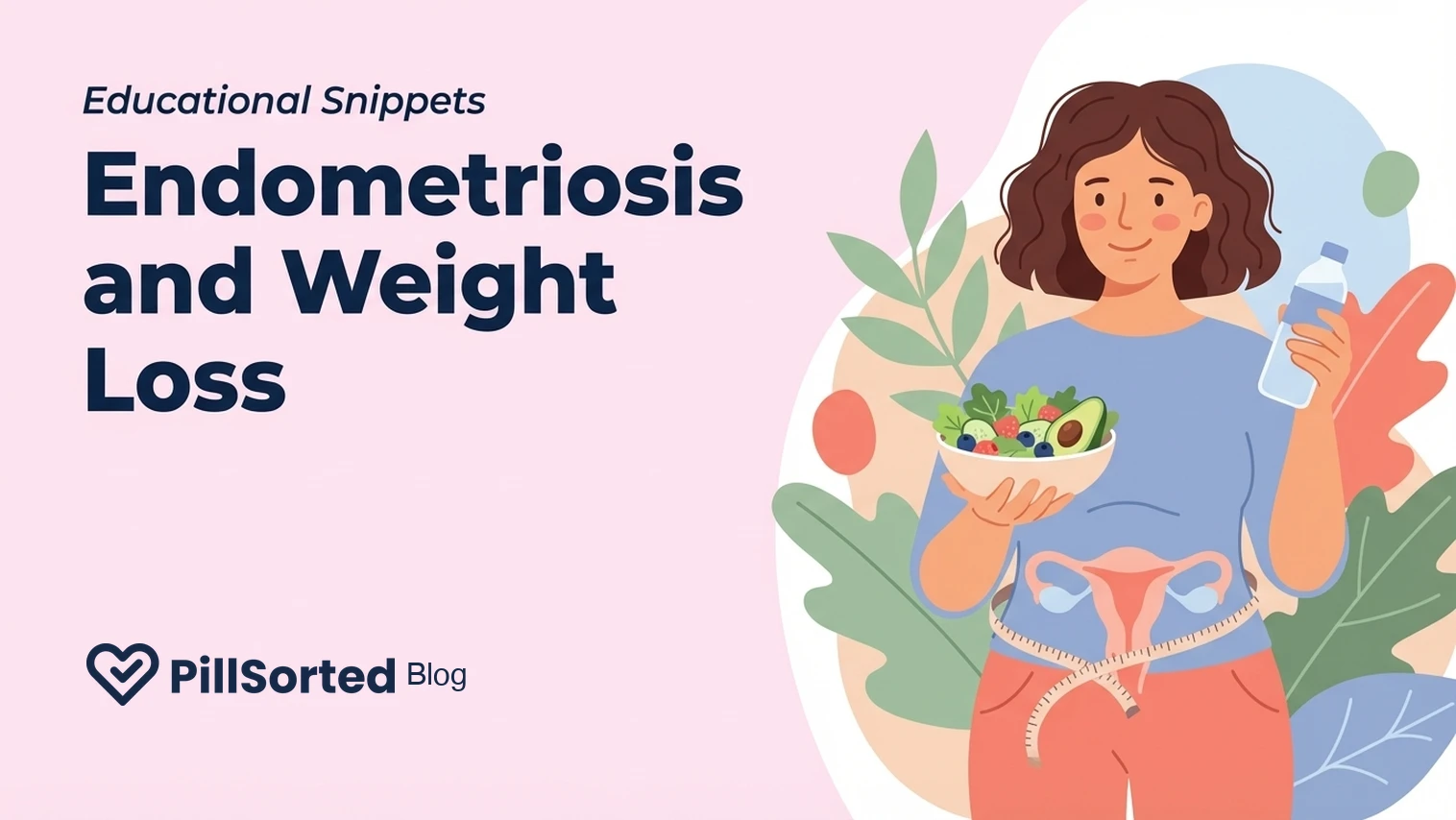
Endometriosis is a complex and often debilitating condition affecting millions of women worldwide. It’s a chronic illness where tissue similar to the lining of the womb (the endometrium) grows outside the uterus, leading to a range of painful symptoms and, for some, challenges with fertility. While there’s no single cure, understanding the condition and exploring various management strategies is crucial. One area that often comes up in discussions about symptom management is the relationship between endometriosis and weight, specifically how endometriosis weight loss might play a role in alleviating pain and improving overall health.
Table of Contents
What is Endometriosis?
Endometriosis occurs when tissue similar to the lining of the womb (the endometrium) begins to grow outside the uterus. These growths, known as lesions or implants, can appear anywhere in the body, but they are most commonly found in the pelvic area, affecting organs such as the ovaries, fallopian tubes, and the outer surface of the uterus. What makes these tissues particularly tricky is that they respond to female hormones, much like the lining inside the womb does during the menstrual cycle. This means they can swell, break down, and bleed, leading to chronic inflammation and significant pain.
This condition is more prevalent than many realise, affecting approximately 1 in 10 women in the UK, which translates to over 1.5 million women of reproductive age. It is also a significant contributor to infertility, adding another layer of challenge for those hoping to conceive. Understanding the nature of endometriosis is the first step towards effective management and improving the quality of life for those affected.
Common Symptoms and Diagnosis
The symptoms of endometriosis can vary widely in severity and type, but they often include:
- Severe Pelvic Pain: Often described as a constant, tight sensation in the pelvic area, sometimes likened to wearing tight trousers all the time. This pain can worsen during periods, sex, or when using the toilet.
- Heavy or Painful Periods: Menstrual pain can be debilitating and significantly impact daily life.
- Fatigue and Exhaustion: Chronic pain and inflammation can lead to persistent tiredness, affecting energy levels and overall well-being.
- Pain during Sex: Known as dyspareunia, this can be a common and distressing symptom.
- Painful Bowel Movements or Urination: Especially during menstruation, if endometrial tissue is near the bowel or bladder.
- Infertility: Endometriosis is a leading cause of difficulty conceiving.
Diagnosing endometriosis can be a lengthy and frustrating process, often taking several years from the onset of symptoms. It usually involves a combination of tests, including ultrasound scans and MRI. In some cases, a laparoscopy (a keyhole surgery) may be needed to confirm the diagnosis and assess the extent of the disease. Persistence is key when seeking a diagnosis; it’s vital to advocate for your body and clearly communicate your symptoms to healthcare professionals.
How Endometriosis Weight Loss Can Help
While there is currently no cure for endometriosis, treatment focuses on managing symptoms and improving quality of life. This often involves pain relief medications, hormonal therapies, or a combination of both. Beyond medical interventions, lifestyle adjustments, including weight loss, can play a significant supportive role. Here’s how healthy living and a focus on obesity management through endometriosis weight loss can positively impact the condition:
- Estrogen Regulation and Reduction: Adipose tissue (fat tissue) produces estrogen. Since endometrial tissues respond to and can even produce female hormones, higher body fat can contribute to higher estrogen levels, potentially exacerbating the growth and inflammation of endometrial lesions. Achieving endometriosis weight loss can help regulate and reduce estrogen levels, which in turn may help in managing the inflammation associated with the condition.
- Reduced Inflammation: Fat tissues release chemicals that can cause chronic, mild inflammation throughout the body. By losing weight, you reduce this systemic inflammation, which can alleviate the inflammatory response of endometriosis and lessen overall pain. This can lead to feeling less tired and more energised.
- Improved Mobility and Resilience: Carrying excess weight can make movement more difficult and exacerbate pelvic pain. Successful endometriosis weight loss can improve mobility, making it easier to engage in physical activity. This, combined with reduced pain and fatigue, can enhance pain management and build greater physical and mental resilience.
It’s important to approach general health and weight management holistically, focusing on sustainable changes that support your overall well-being. This often involves a balanced diet, regular exercise, and adequate sleep.
The Role of GLPs in Endometriosis Weight Loss
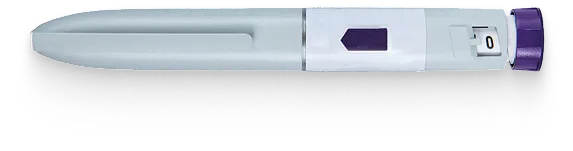
GLP-1 receptor agonists (GLP-1s) are a class of medications primarily used for managing type 2 diabetes and obesity. While GLPs are not prescribed specifically for endometriosis, they can be a supportive tool for individuals who are also dealing with obesity and seeking endometriosis weight loss. These medications work by helping to regulate appetite and blood sugar, which can lead to significant weight reduction. By supporting metabolic health and facilitating weight loss, GLPs can indirectly contribute to an improvement in endometriosis symptoms by the mechanisms discussed above, such as reduced estrogen and inflammation.
If you have endometriosis and are considering weight loss medications, it’s crucial to have a thorough discussion with your doctor or specialist. They can help you understand if GLPs are appropriate for your specific health profile and how they might interact with other treatments you are receiving for endometriosis. PillSorted offers clinician-led health advice and support for weight management, ensuring a safe and tailored approach.
Important Considerations and When to Seek Help
Living with endometriosis requires careful management and an understanding of your body. Here are a few key considerations:
- Pregnancy Planning: Endometriosis can make it more challenging to conceive, but it doesn’t mean pregnancy is impossible. It may simply take longer. If you are planning to become pregnant, it’s vital to review all your medications with your healthcare provider. Some treatments for pain or hormones, including GLPs, may not be suitable during pregnancy and might require a washout period before conception.
- Monitoring Symptoms: Be vigilant about any changes in your symptoms. If you experience worsening pain, especially in the mornings, feel sick, notice spot bleeding between periods, or find your period pains are becoming more severe, it’s crucial to consult your doctor or specialist promptly. These could indicate a progression of the condition or other underlying issues.
- Mental Health Support: The chronic pain and challenges associated with endometriosis can take a toll on mental health. Seeking support from therapists, support groups, or mental health professionals can be an invaluable part of your overall management strategy.
Remember, you are not alone in this journey. There is help and support available for managing endometriosis and its related symptoms, including efforts towards endometriosis weight loss. Open communication with your healthcare team is essential for developing a personalised and effective treatment plan.
At PillSorted, we understand the complexities of managing chronic conditions like endometriosis. Our team is here to provide clinician-led advice and support, helping you navigate your treatment options and explore strategies like women’s health and weight management safely. If you have questions or need support, please don’t hesitate to reach out to us.
Disclaimer: This blog post is for informational purposes only and does not constitute medical advice. Always consult a qualified healthcare professional before making changes to your health routine.