















Comprehensive Guide to Early Pregnancy Symptoms

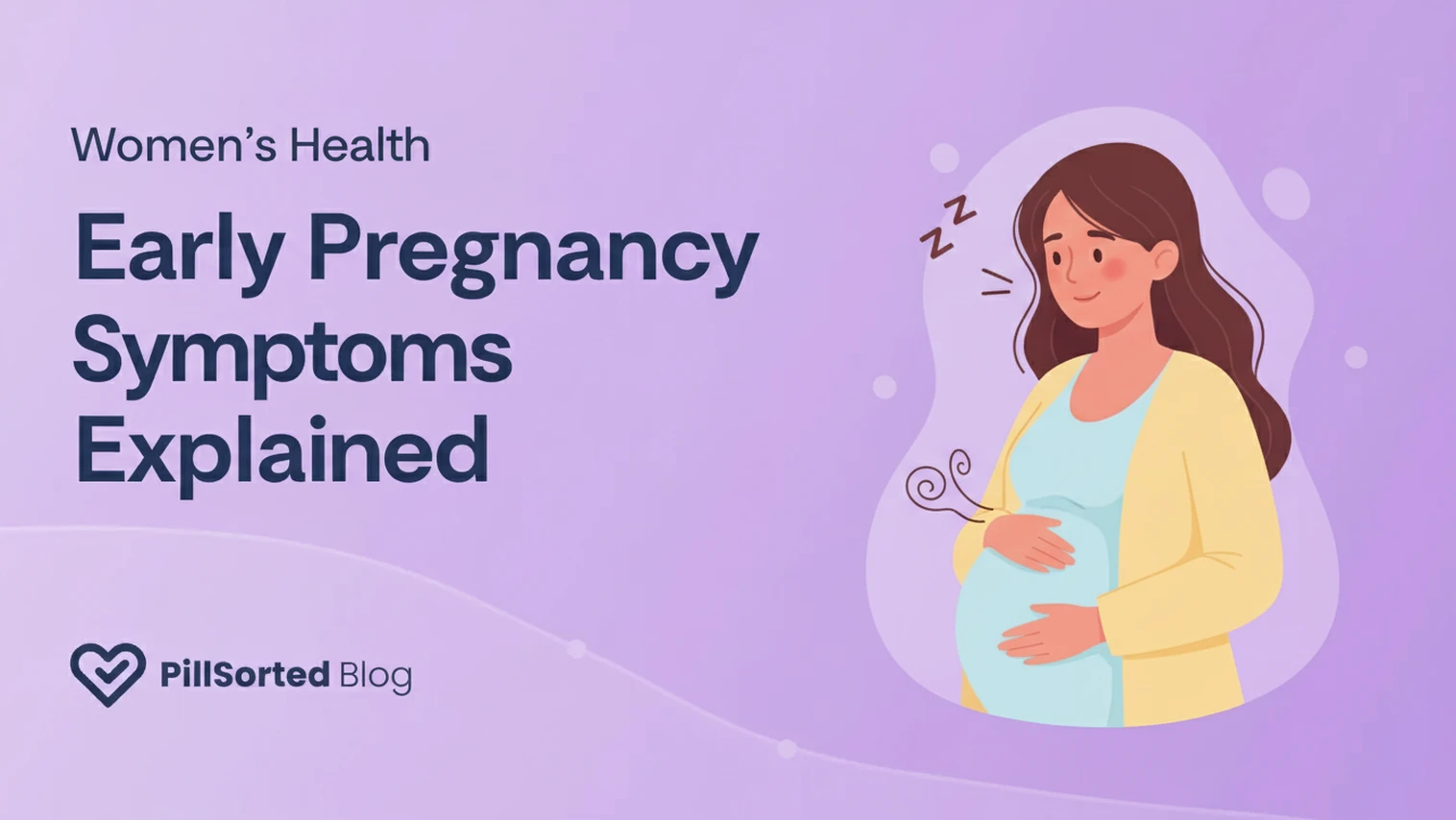
Awaiting the arrival of a new family member is an incredibly exciting time, but it also brings a host of questions and changes. Understanding what’s happening within your body, especially the common early pregnancy symptoms, is crucial for a healthy journey. At PillSorted, we’re dedicated to empowering you with accurate, pharmacist-led advice to navigate this special period with confidence. Our Superintendent Pharmacist, Zeinab Ardeshir, shares her expertise on everything from initial signs and hormonal shifts to vital nutrition, medication safety, and critical warning signs.
Table of Contents
- The Hormonal Symphony: Understanding Early Pregnancy Symptoms
- Beyond the Bump: Understanding Pregnancy Weight Gain and Early Pregnancy Symptoms
- Navigating Medications Safely During Early Pregnancy Symptoms
- Fueling for Two: Nutrition Essentials to Support Your Body and Manage Early Pregnancy Symptoms
- Recognising Warning Signs During Early Pregnancy
The Hormonal Symphony: Understanding Early Pregnancy Symptoms
Many of the initial discomforts you might experience during the first trimester are directly linked to a remarkable hormonal shift occurring in your body. Common early pregnancy symptoms include profound exhaustion, persistent bloating, and the notorious “morning sickness” (which, as many soon discover, can strike at any time of day). These aren’t just random occurrences; they are signs your body is working tirelessly to support new life.
The moment conception occurs, your body begins producing Human Chorionic Gonadotropin (hCG), the hormone detected by pregnancy tests. hCG acts as a vital messenger, signalling your body to maintain high levels of progesterone. Progesterone is the unsung hero of early pregnancy, preventing the uterine lining from shedding and creating a nurturing environment for the developing embryo. This surge in hormones, while essential, can also contribute to feelings of fatigue and nausea. Beyond hormones, your body is undergoing dramatic physiological changes: blood volume increases by approximately 50%, body fluids expand, and a completely new organ – the placenta – is formed to nourish your baby. These profound internal adjustments are all part of the process, and understanding them can help you contextualise your women’s health journey.
Beyond the Bump: Understanding Pregnancy Weight Gain and Early Pregnancy Symptoms
It’s common to focus on weight gain during pregnancy, but it’s crucial to understand that this isn’t simply “fat.” The weight you gain is a complex combination of elements essential for your baby’s development and your own well-being. This includes the baby itself, the placenta, amniotic fluid, the enlargement of your uterus, increased blood volume, and necessary water retention. This natural increase is a healthy and expected part of pregnancy, supporting the incredible growth happening within you. During this period of significant physiological change, many still grapple with the various early pregnancy symptoms.
Therefore, it’s vital to avoid restricting your nutrition or following strict diets during pregnancy. Instead, focus on a balanced, nutrient-rich diet that provides adequate energy for both you and your growing baby. Remember, pregnancy is not the time for weight loss diets. Consult with your doctor or a dietitian for personalised advice on healthy weight gain and nutritional needs.
Navigating Medications Safely During Early Pregnancy Symptoms
When you’re experiencing early pregnancy symptoms, the safety of any medication you take becomes paramount. It is absolutely critical to get any medication – whether it’s over-the-counter, prescription, or even herbal supplements – reviewed by a pharmacist or doctor. What might be safe for you normally could pose a risk during pregnancy. Safer alternatives or dosage adjustments may be necessary to protect your developing baby. Don’t hesitate to reach out to your GP or your PillSorted pharmacist for a comprehensive medication review. We are here to ensure you receive the safest and most appropriate care.
Fueling for Two: Nutrition Essentials to Support Your Body and Manage Early Pregnancy Symptoms
Nutrition plays a more crucial role than ever when you’re pregnant, influencing not only your health but also your baby’s development and your experience of early pregnancy symptoms. Prioritising nutrient-dense foods can help manage common discomforts and support a healthy pregnancy.
Blood Sugar Management and Gestational Diabetes Risk
Pregnancy hormones, particularly those from the placenta, can cause insulin resistance in expectant mothers. This increases the risk of developing gestational diabetes. To manage blood sugar effectively, aim for regular, small meals throughout the day. Prioritise fibre-rich foods, vegetables, and protein before indulging in sweets. This approach helps stabilise blood sugar levels and provides sustained energy, potentially easing some of the fatigue associated with early pregnancy symptoms.
The Power of Protein
Protein is foundational for growth and development, both for you and your baby. It’s essential for building tissues, organs, and bones. Include lean meats, poultry, fish, eggs, dairy products, legumes, and nuts in your diet to ensure an adequate intake. Protein also contributes to satiety, which can be helpful in managing hunger and cravings.
Iron: A Crucial Supplement
Iron is absolutely vital during pregnancy to prevent iron deficiency anaemia, which can lead to extreme fatigue, weakness, and other complications. Your blood volume increases significantly, requiring more iron to produce haemoglobin. However, iron supplements like ferrous sulfate can sometimes cause digestive issues such as constipation or acid reflux. To enhance absorption, take your iron supplement with Vitamin C (e.g., a glass of orange juice). Always consult your doctor or pharmacist before starting any new supplement, especially if you’re experiencing early pregnancy symptoms.
Folic Acid for Neural Tube Development
Folic acid is arguably one of the most critical supplements, particularly in the earliest stages of pregnancy and ideally, even before conception. It plays a vital role in preventing neural tube defects, serious birth defects of the brain and spine. It’s recommended to start taking a multivitamin containing at least 400 micrograms of folic acid at least one month before trying to conceive and continue through the first trimester. This proactive step is crucial for healthy development.
Recognising Warning Signs During Early Pregnancy
While many early pregnancy symptoms are normal and expected, there are certain warning signs that require immediate medical attention. These include sudden, severe tummy pains or any bleeding, even if it’s just spotting. While light spotting can sometimes be normal implantation bleeding, it’s always best to err on the side of caution and get it checked out by a healthcare professional immediately. Your doctor or midwife will be able to assess the situation and provide reassurance or necessary intervention. Don’t delay seeking help for these critical signs.
Understanding your body’s journey through pregnancy, from the very first early pregnancy symptoms to later stages, empowers you to make informed decisions for your health and your baby’s. By prioritising healthy nutrition, carefully managing medications, and being aware of warning signs, you can embrace this incredible period with greater peace of mind. Remember, your PillSorted pharmacist is a valuable resource for guidance on healthy living during pregnancy.
Need Personalised Advice?
If you have specific questions about your medications, symptoms, or any aspect of your pregnancy health, our experienced pharmacists are here to help. Contact PillSorted for confidential and professional advice.
Disclaimer: This blog post is for informational purposes only and does not constitute medical advice. Always consult with a qualified healthcare professional, such as your doctor or a PillSorted pharmacist, before making any decisions related to your health or treatment, especially during pregnancy. Individual circumstances may vary, and professional guidance is essential for personalised care.