












Mounjaro Anhedonia: Why Am I Feeling Flat on GLP-1s?


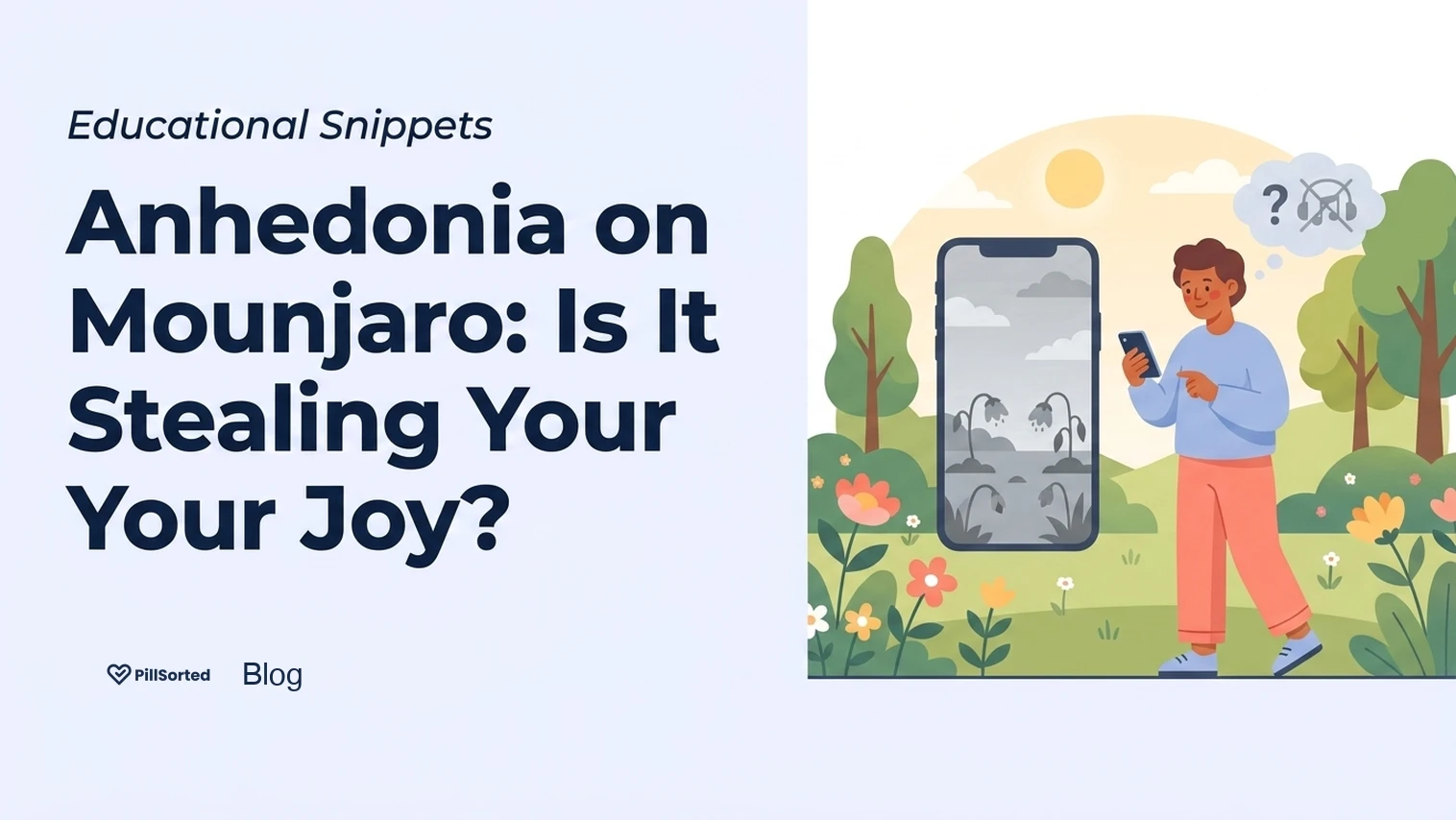
Starting a new weight loss medication can be a life-changing experience, but it is not uncommon for two people on the same treatment to have vastly different journeys. While one person might celebrate the sudden silence of their “food noise” and feel completely liberated, another might find that this quietness extends to other areas of their life, leaving them feeling unusually flat, indifferent, or emotionally blunted. If you have noticed a loss of joy in things you normally love since starting your treatment, you might be experiencing what has become informally known as Mounjaro anhedonia—a term used to describe this effect, rather than an official medical diagnosis.
In this post:
Understanding Mounjaro Anhedonia and the “Flat” Feeling
Anhedonia is the clinical term for a reduced ability to experience pleasure from activities you once found enjoyable. This might mean that listening to your favourite music no longer moves you, socialising with friends feels like a chore, or playing with your children doesn’t spark the same warmth it used to. Instead of feeling sad, people experiencing anhedonia often describe a sense of emptiness or emotional flatness, as if the volume on their emotions has been dialled down.
While often associated with clinical depression, Parkinson’s disease, and other mental health conditions, anhedonia has recently emerged as a talking point among those using GLP-1 medicines (such as Mounjaro) for weight loss. Understanding why this happens can help you navigate these feelings without feeling discouraged about your progress.
The Neurobiology of How GLP-1s Affect Mood
To understand why a weight loss medication can affect your mood, we have to look at how our brains process desire. When you walk past a bakery and smell fresh bread, the craving you feel doesn’t start in your stomach—it starts in your brain’s pleasure control centre. Located deep within the brain, this area reacts to dopamine, a neurotransmitter responsible for feelings of reward, satisfaction, and motivation.
Medicines like Mounjaro work by mimicking natural gut hormones (Mounjaro specifically mimics both GLP-1 and GIP) to regulate appetite and blood sugar, making them highly effective treatments for obesity and diabetes. However, these hormones also interact with the brain’s reward pathways. Current research suggests that while they do not directly reduce the amount of dopamine your brain produces, they may dial down the sensitivity of the reward pathway. This is incredibly helpful for reducing intense cravings and “food noise,” allowing you to feel in control of your eating habits. However, if this reward pathway is dampened too much, it can inadvertently dull your response to other non-food pleasures, leading to the phenomenon of Mounjaro anhedonia.
Other Culprits for Feeling Flat on Your Weight Loss Journey
It is important to recognise that a flat mood is not always directly caused by the medication itself. The physical and lifestyle changes that accompany rapid weight loss can also play a major role in how you feel. Common contributors include:
- Under-eating and dehydration: When your appetite is significantly reduced, it is easy to forget to eat or drink enough. A lack of essential calories and fluids can quickly lead to fatigue, irritability, and low mood.
- Nutrient deficiencies: Eating less can sometimes result in inadequate intake of key nutrients. Low levels of iron, B-complex vitamins, and vitamin D are well-known causes of fatigue and emotional flatness.
- Physical side effects: Dealing with ongoing side effects like nausea, sleep disturbances, or constipation can naturally take a toll on your overall general health and mental well-being.
- Social shifts: If your social life previously revolved around dining out or drinking with friends, navigating these situations without those cravings can feel daunting, sometimes leading to temporary social isolation.
- Focus on nutritional basics: Do not wait for your body to signal hunger or thirst, as these cues have been dampened by the medication. Ensure you are consuming regular, nutrient-dense meals and staying well-hydrated throughout the day to support your energy levels.
- Track your mood and habits: Keep a simple daily log of your emotional state, sleep patterns, and bowel movements. Note down when you feel particularly flat and check if it correlates with days you have under-eaten or skipped social interactions.
- Maintain social connections: Even if you do not feel like socialising, staying connected with loved ones is vital. If food-centric events feel overwhelming, suggest alternative activities like going for a walk in nature, which is an excellent way to naturally boost your dopamine levels.
- Review your lifestyle and health: Consider speaking to your GP or pharmacist about having a routine blood test to check your thyroid function and rule out any vitamin or iron deficiencies that could be contributing to your fatigue.
When to Seek Professional Help
For most people, feeling slightly flat is a temporary phase that resolves as their body adjusts to the medication and they adopt more balanced healthy living habits. However, if your loss of pleasure is severe enough that it stops you from living your life, makes it difficult to care for yourself, or is accompanied by feelings of hopelessness, it is crucial to reach out for support.
You should never suffer in silence. If you are experiencing severe low mood, thoughts of self-harm, or find that you can no longer cope, please contact your GP, reach out to our pharmacy team, call the NHS on 111, or call 999/go to A&E if you are in immediate danger. You can also contact the Samaritans free at any time on 116 123. We can help you assess your symptoms, review your dosage, and ensure that your weight loss journey remains safe, healthy, and fulfilling both physically and emotionally.
Need Support or Have Questions?
If you have concerns or need further advice, our team at PillSorted is here to help. Contact us via our support portal: PillSorted Support.
Disclaimer: This blog post is for informational purposes only and does not constitute medical advice. Always consult a qualified healthcare professional before making changes to your health routine.