
















Children Medication Heatwave: How to Keep Kids Safe


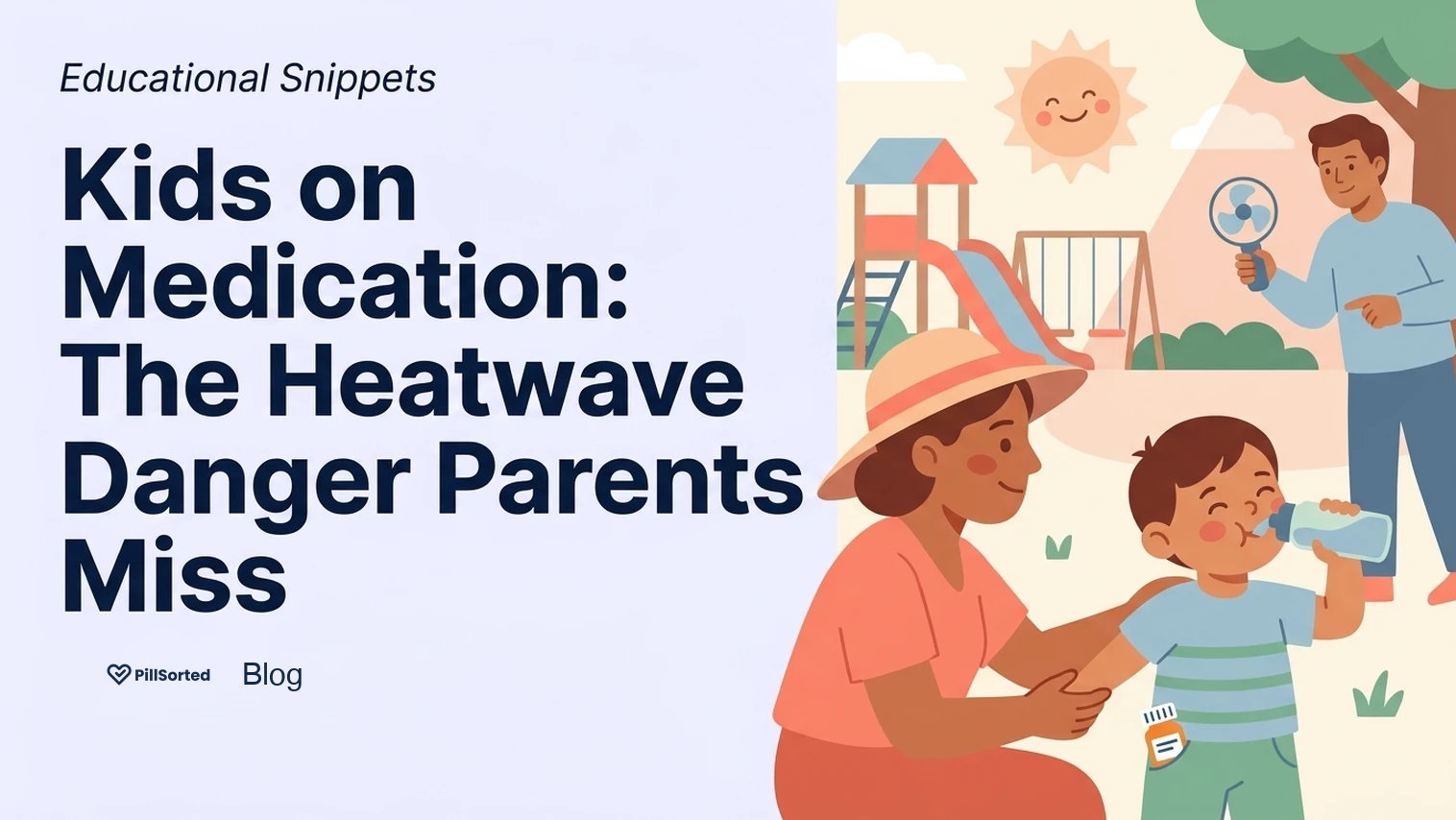
As summer temperatures soar across the UK, ensuring the safety of our little ones becomes a top priority. A summer heatwave presents unique challenges for parents of children on regular medication, as high temperatures not only increase the risk of dehydration but can also alter how certain medicines work in a child’s body. In this guide, our superintendent pharmacist, Zeinab Ardeshir, shares essential advice on how to keep your children safe and healthy when the weather gets hot, particularly if they are managing ongoing health conditions.
In this post:
Understanding Heatwave Risks for Children
Children are far more vulnerable to high temperatures than adults. During a heatwave, this vulnerability increases, making it crucial for parents to understand why young bodies struggle in the heat. There are several biological and behavioural reasons why children overheat much faster than grown-ups.
Firstly, children do not sweat as efficiently as adults, which limits their body’s natural cooling mechanism. Secondly, when they are engrossed in play, they often ignore the sensation of thirst, forgetting to drink liquids altogether. Furthermore, children are frequently outdoors during the hottest parts of the day, such as school lunch breaks and playtime. Finally, their metabolic rate is naturally faster, meaning their bodies inherently generate more heat. As part of wider general health guidance, managing these combined factors is the first step in keeping your family safe.
Spotting the Signs of Dehydration
Recognising the early warning signs of heat exhaustion and dehydration is vital during hot weather, especially for children on regular medication. While a child coming indoors with slightly rosy cheeks is quite normal, a full-on “tomato” red face combined with extreme tiredness is a clear warning sign. If your child immediately flops onto the sofa and seems unusually lethargic, they may be experiencing dehydration.
Other common signs to watch out for include:
- Dry mouth and sticky or parched lips.
- Irritability, crankiness, or sudden changes in behaviour.
- Fewer trips to the toilet, or dry nappies for more than a few hours in toddlers and children under four.
- Dark-coloured urine, which indicates that the body is desperately trying to conserve fluids.
If you notice severe symptoms—such as your child becoming completely floppy, having sunken eyes, or if their skin does not quickly snap back when gently pinched—this indicates severe dehydration. In these cases, you must contact a doctor or seek medical attention immediately.
It is also important to note that if your child feels hot to the touch, it does not automatically mean they have an infection-related fever. Parents should avoid rushing to administer paracetamol or ibuprofen to treat a high temperature caused purely by the weather. Instead, focus on cooling their environment and encouraging them to drink; their body temperature will naturally cool down once they are out of the sun.
How Hot Weather Affects Specific Prescriptions
If your child takes regular prescriptions, hot weather requires extra vigilance. Certain medications can interfere with how the body regulates temperature, while the heat itself can degrade the quality of the medicine.
For children managing type 1 diabetes, hot weather poses a double risk. Firstly, high temperatures make children far more susceptible to experiencing a “hypo” (low blood sugar). To prevent this, ensure they have a small snack and drink plenty of fluids before any physical activity. Secondly, insulin is highly sensitive to temperature. If you notice the insulin in their pump or vial looking cloudy, changing colour, or if their blood sugar levels are suddenly difficult to regulate, the insulin may have been damaged by the heat and must be replaced.
Similarly, children who take ADHD medications need careful monitoring. These medicines can actively affect the body’s ability to regulate heat and sweat, making the child overheat much quicker. Ensure they are drinking extra fluids and taking frequent breaks in the shade. However, it is vital that you do not stop administering any prescribed medications during a warm spell; always continue with their regular treatment plan while taking extra precautions to keep them cool.
Practical Tips for Keeping Kids Safe in a Heatwave
Keeping your children safe during hot weather involves a combination of sun protection, smart hydration, and physical cooling techniques. By incorporating these habits into your daily routine, you can support their healthy living even during the hottest summer days.
To protect your little ones from extreme heat, follow these practical steps:
- Limit outdoor play during peak hours: Keep children indoors or strictly in the shade between 11 am and 3 pm, when the sun is at its strongest.
- Dress them in protective clothing: Opt for light-coloured, loose cotton clothing that reflects sunlight and allows their skin to breathe. Wide-brimmed hats are also essential to protect their face and eyes.
- Use the right cooling methods: If your child is hot, wipe them down with a damp cloth or splash them with lukewarm water. Avoid freezing cold water, as this causes blood vessels to constrict, trapping heat inside the body and causing discomfort.
- Offer water-rich foods: If your child is reluctant to drink water, offer hydrating alternatives like watermelon or cucumber. These foods are over 90% water, making them a refreshing way to help top up fluid levels.
- Keep meals light: Avoid heavy, greasy meals immediately after they come in from the heat. A light meal allows their body to focus energy on cooling down rather than digesting heavy food.
- Manage sunscreen effectively: Think of sunscreen as an invisible shield that protects the skin from UV damage and sunburn. Apply it thoroughly and top it up every time they go outside to play, encouraging them to listen to their school teachers when reminded to reapply.
By staying mindful of these simple adjustments, you can ensure your child remains safe, hydrated, and healthy throughout the summer. If you ever have concerns about how your child’s specific prescription might interact with high temperatures, our pharmacy team is always here to offer professional, friendly support.
Need Support or Have Questions?
If you have concerns or need further advice, our team at PillSorted is here to help. Contact us via our support portal: PillSorted Support.
Disclaimer: This blog post is for informational purposes only and does not constitute medical advice. Always consult a qualified healthcare professional before making changes to your health routine.