















Medication Dehydration Heatwave: Stay Safe in the Sun


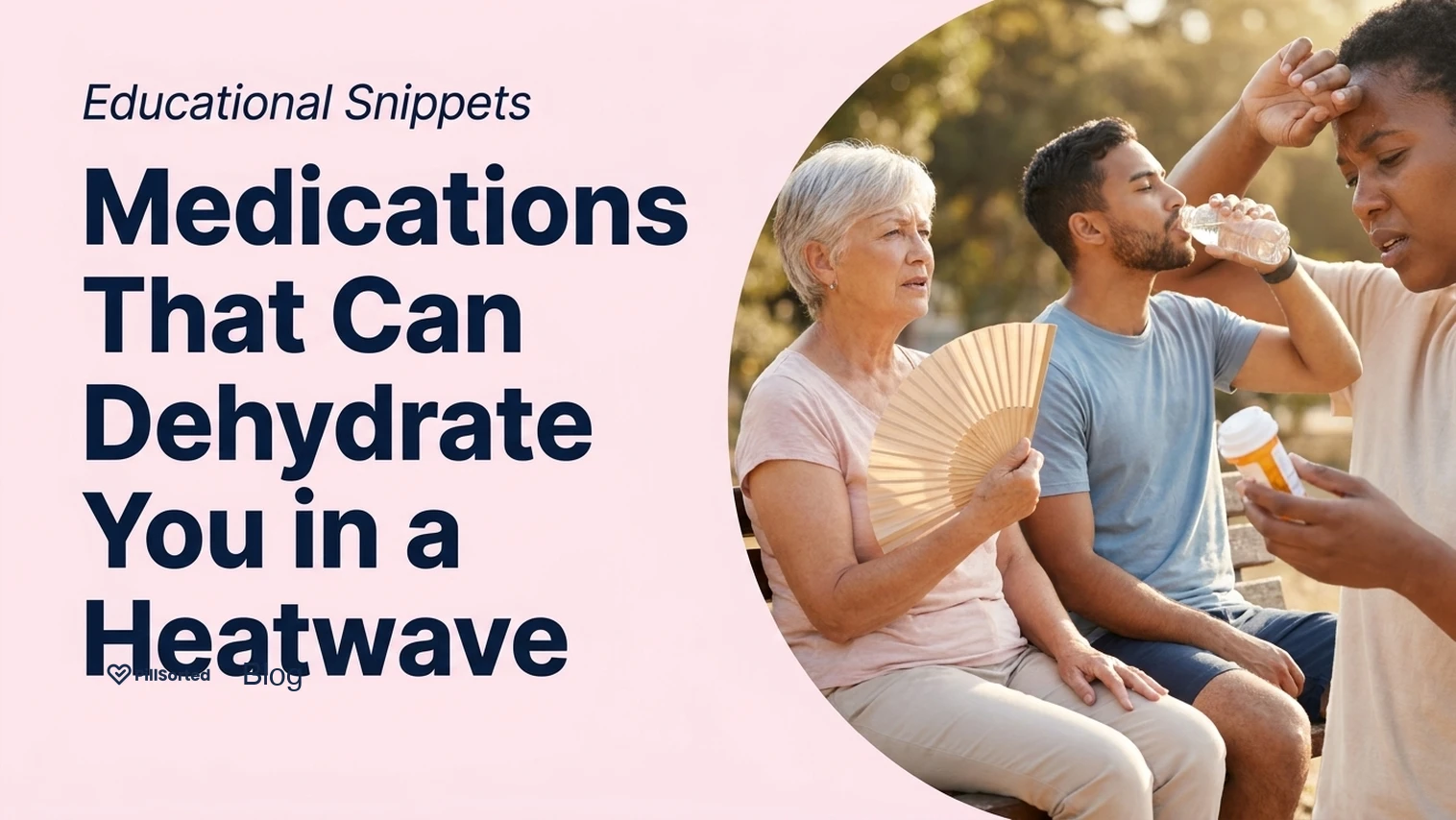
As temperatures rise across the UK, keeping cool becomes a top priority for everyone, but did you know that your daily prescriptions could be affecting how your body copes with the rising heat? Managing your dehydration risks is essential for maintaining your well-being when summer temperatures spike. Some common medications can make it significantly harder for your body to naturally regulate its temperature, while others can actively deplete your fluid levels or make you highly sensitive to the sun. In this guide, our superintendent pharmacist at PillSorted, Zeinab Ardeshir, explains the crucial connection between your prescriptions and hot weather safety so you can enjoy the sun responsibly.
In this post:
- Why Heat Affects Your Prescriptions
- Prescriptions and Your Medication Dehydration Heatwave Risks
- How Certain Drugs Affect Heat Regulation
- Medications That Cause Sun Sensitivity
- Who is Most Vulnerable to a Medication Dehydration Heatwave?
- Practical Steps to Manage Your Medication Dehydration Heatwave Risk
Why Heat Affects Your Prescriptions
Before looking at how medications interact with your body in hot weather, it is important to understand how extreme heat affects the medicines themselves. High ambient temperatures can physically damage the active ingredients in many tablets, capsules, and liquids, making them less effective or completely unusable.
Ideally, you should store most medications in a cool, dry place below 25°C. During a hot spell, avoid keeping your pills in warm areas like windowsills, kitchens, or bathrooms. Instead, look for a well-ventilated cupboard that stays shaded throughout the day. It is also vital to protect your treatments from direct sunlight.
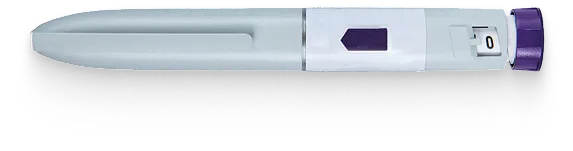
Injectable medications require extra care. Treatments such as insulin or GLP-1 therapies are highly sensitive to temperature fluctuations. If you are travelling by car, never leave these medications in the glove box or boot. A parked car can quickly reach temperatures well above 35°C, and even short periods of exposure can degrade the proteins in your medicine. Always transport them in an insulated cool bag if you are on the move.
Prescriptions and Your Medication Dehydration Heatwave Risks
Many widely prescribed drugs can directly interfere with your body’s fluid balance. During periods of extreme heat, understanding these interactions can prevent serious complications. Certain drug classes are particularly known for increasing these risks:
- GLP-1 receptor agonists: Commonly prescribed for weight loss and managing type 2 diabetes, medications like Mounjaro and Wegovy are also vital tools in treating clinical obesity. However, these medications work partly by dampening your brain’s appetite and thirst signals. Because you do not feel thirsty, you may easily forget to drink enough water, rapidly increasing your risk of severe dehydration.
- Diuretics: Often referred to as “water tablets” (such as furosemide or bumetanide), these are prescribed for heart failure and high blood pressure. They actively encourage your kidneys to flush out excess water and salt, making fluid depletion a constant hazard in hot weather.
- ACE inhibitors: Blood pressure medications like ramipril can alter how your kidneys manage fluids and electrolytes, making you more susceptible to dehydration when you sweat.
- Diabetes medications: Both insulin and oral tablets like metformin can alter your body’s hydration levels. Dehydration can concentrate the sugar in your blood, making blood glucose levels harder to predict and increasing the risk of both high (hyperglycaemia) and low (hypoglycaemia) blood sugar episodes.
If you take any of these treatments, staying proactive about your fluid intake is essential for your general health during the warmer months.
How Certain Drugs Affect Heat Regulation
Beyond dehydration, some medications interfere directly with the neurological and physiological systems your body uses to cool down. When the weather is hot, your body relies on sweating and increased blood circulation near the skin’s surface to release heat. Several drug classes can disrupt this process:
- Older “drowsy” antihistamines: Often used for allergies or as a sleep aid, these medicines can reduce your body’s ability to sweat, trapping heat inside your core.
- Antipsychotic medications: Treatments like olanzapine and quetiapine, which are crucial for supporting mental health, can affect the hypothalamus—the brain’s internal thermostat—raising your baseline body temperature.
- Beta-blockers and calcium-channel blockers: These heart and blood pressure medications reduce your heart rate and can limit blood flow to the skin, making it much harder for your body to radiate excess heat.
- ADHD and stimulant medications: These stimulants can increase your metabolic rate and elevate your core body temperature, putting an extra strain on your cardiovascular system in high heat.
Medications That Cause Sun Sensitivity
Some prescription medications cause photosensitivity, a chemical reaction that makes your skin incredibly sensitive to ultraviolet (UV) radiation. If you are taking these medications, direct sunlight can cause your skin to break out in painful, red patches, hives, or severe sunburns within minutes.
Common culprits include tetracycline antibiotics (such as doxycycline), certain acne and eczema treatments (particularly retinoids), and immunosuppressants like methotrexate. If you are using any of these therapies, you must take extra precautions. Apply a broad-spectrum, high-factor sunscreen (SPF 30 or higher) daily, wear protective clothing, and try to stay in the shade during peak sunshine hours.
Who is Most Vulnerable to a Medication Dehydration Heatwave?
While extreme heat can affect anyone, dehydration during a heatwave poses a much higher threat to specific groups of people. Understanding who is most at risk can help us look out for vulnerable family members and neighbours in our communities:
- Older adults (over 65): As we age, our bodies naturally become less efficient at regulating temperature, and our sensation of thirst naturally declines. When combined with multiple daily prescriptions, the risk of heat illness increases significantly.
- Young children (under 5): Children have a higher surface-area-to-mass ratio, meaning they absorb heat faster than adults and can easily ignore thirst signals when playing.
- People with chronic health conditions: Individuals living with diabetes, cardiovascular disease, or respiratory illnesses are much more susceptible to the physiological stress of extreme heat.
- Those with mobility or cognitive challenges: People who find it difficult to move around or who live with mental health conditions may struggle to keep themselves cool, access fresh water, or recognise the early warning signs of heat exhaustion.
Supporting these individuals and encouraging healthy living habits during a hot spell can save lives.
Practical Steps to Manage Your Medication Dehydration Heatwave Risk
The single most important rule when managing your health in hot weather is to never stop taking your prescribed medications without consulting your GP or pharmacist. Abruptly stopping your treatments can lead to severe relapses or complications.
However, you should speak to your healthcare provider about “sick day rules.” For certain medications, like diuretics or specific blood pressure pills, doctors sometimes advise temporarily omitting doses if you become unwell, experience severe diarrhoea or vomiting, or are severely dehydrated. This should only ever be done under professional medical guidance.
To stay safe from dehydration during a heatwave, keep a close eye on your hydration levels. Monitor the colour of your urine; it should ideally be a pale, straw-like yellow. If it becomes dark, concentrated, or has a strong odour, you need to increase your fluid intake immediately. Drink plenty of water throughout the day, avoiding excessive alcohol or caffeine, which can worsen dehydration.
If you start to feel dizzy, develop a headache, or feel nauseous, take immediate action to cool down. Move to a shaded, air-conditioned space, sip cool water, splash cool water on your face and neck, or place a damp cloth under your armpits to help lower your core temperature. Additionally, protect your skin by wearing lightweight, breathable, light-coloured clothing and applying plenty of sunscreen.
Keep an eye out for red-flag symptoms. If your heart is beating too fast, you feel short of breath, or your dizziness does not improve after 30 minutes of resting in a cool place, seek urgent medical attention by calling your GP, NHS 111, or emergency services.
Need Support or Have Questions?
If you have concerns or need further advice, our team at PillSorted is here to help. Contact us via our support portal: PillSorted Support.
Disclaimer: This blog post is for informational purposes only and does not constitute medical advice. Always consult a qualified healthcare professional before making changes to your health routine.