

















Menopause Heart Palpitations: Supporting Your Heart Health


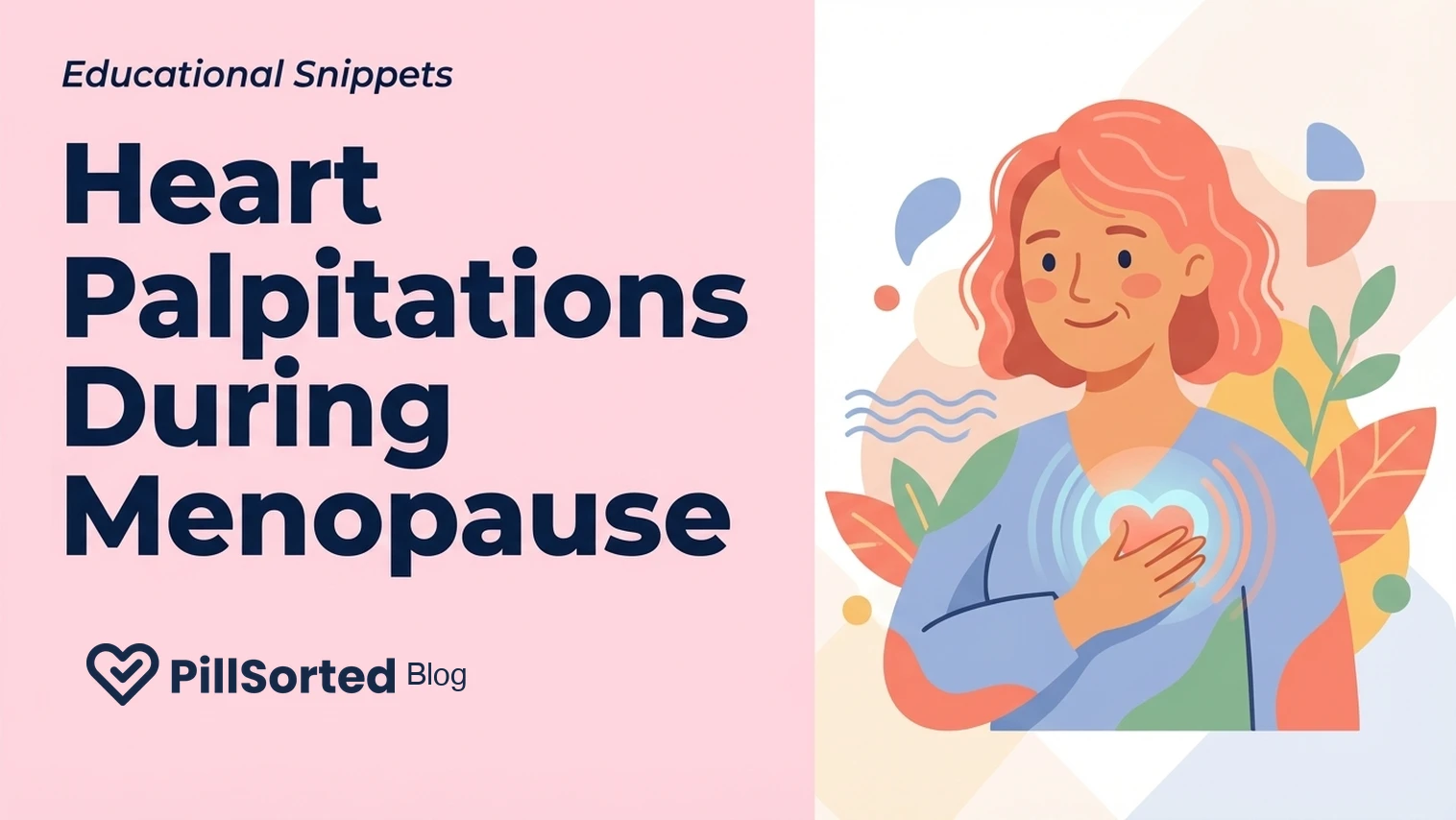
Menopause is a significant life stage for women, marked by hormonal shifts that can bring about a range of symptoms. While hot flushes and mood changes are well-known, many women also experience changes in their cardiovascular health, including menopause heart palpitations. These sensations of a racing, pounding, or fluttering heart can be unsettling, especially when they occur at night. Understanding the link between menopause and heart health, and how to manage these symptoms, is crucial for overall well-being. Pharmacist Zeinab Ardeshir from PillSorted sheds light on this important topic in her video, which we’ll explore further.
In This Post:
The Impact of Menopause on Heart Health
Menopause is characterised by a natural decline in hormone levels, particularly oestrogen. Oestrogen plays a vital role in protecting cardiovascular health, and its reduction can lead to several changes that increase the risk of heart problems. As pharmacist Zeinab explains, lower oestrogen levels can have profound effects on the body, making blood vessels less flexible, which can contribute to higher blood pressure. This reduced elasticity means blood vessels are not as efficient at expanding and contracting, putting more strain on the heart.
Furthermore, menopause can worsen insulin regulation, making the body less effective at processing sugar. This can lead to elevated blood sugar levels, increasing the risk of developing type 2 diabetes, a significant risk factor for heart disease. High cholesterol levels are also a common concern during menopause. Oestrogen helps maintain healthy cholesterol levels, and its decline can lead to an increase in LDL (bad) cholesterol and a decrease in HDL (good) cholesterol, contributing to the build-up of plaque in arteries.
Weight gain, particularly around the waist, is another frequent symptom of menopause. This increase in visceral fat is metabolically active and can further raise the risk of heart disease, type 2 diabetes, and high blood pressure. If you are concerned about your weight, our resources on obesity and weight loss may offer helpful guidance. This combination of less flexible blood vessels, worsening insulin regulation, high cholesterol, and weight gain significantly increases a woman’s cardiovascular risk, making her more susceptible to heart problems, including menopause heart palpitations. For more information on women’s health, visit our dedicated women’s health section.
Recognising Menopause Heart Palpitations and Other Cardiac Symptoms
It’s vital to understand that heart issues often present differently in women compared to men. While men typically experience sudden, severe chest pain during a heart attack, women’s symptoms can be less obvious and more diffuse. This can make it harder to recognise a heart problem, leading to delays in seeking medical attention.
In women, heart attack symptoms might manifest as:
- Breathlessness: Feeling unusually short of breath, even with minimal exertion.
- Extreme Fatigue: Profound tiredness that isn’t relieved by rest.
- Pain in the Jaw, Neck, or Back: This pain can be vague and spread out, rather than concentrated in the chest.
- Nausea or Abdominal Pain: Sometimes mistaken for indigestion or stomach upset.
- Lightheadedness or Dizziness: A feeling of faintness.
- Cold Sweats: Breaking out in a cold sweat without obvious cause.
These symptoms, including menopause heart palpitations, can sometimes be dismissed as anxiety or other menopausal changes, making it crucial for women to be aware and advocate for themselves. While menopause heart palpitations are often benign, they can also be a sign of an underlying cardiac issue, especially when accompanied by other symptoms.
Lifestyle Changes to Manage Menopause Heart Palpitations
The good news is that many lifestyle adjustments can significantly improve heart health and help manage symptoms like menopause heart palpitations. These strategies are not just for menopause but contribute to overall healthy living.
- Movement and Exercise: Regular physical activity is paramount. This includes a mix of strength-building exercises to support bone health and metabolism, and cardio exercises to strengthen the heart. Aim for at least 150 minutes of moderate-intensity activity per week, such as brisk walking, swimming, or cycling.
- Proper Sleep and Rest: Quality sleep is essential for heart health. Poor sleep can contribute to high blood pressure, inflammation, and weight gain. Establish a regular sleep schedule, create a relaxing bedtime routine, and ensure your sleep environment is conducive to rest.
- Hydration: Staying well-hydrated supports all bodily functions, including cardiovascular health. Drink plenty of water throughout the day. Dehydration can sometimes exacerbate palpitations.
- Good Nutrition: A balanced diet rich in fruits, vegetables, whole grains, and lean proteins is vital. Limit processed foods, unhealthy fats, and excessive sugar and salt. A heart-healthy diet can help manage cholesterol, blood sugar, and weight, reducing overall cardiovascular risk and potentially lessening the frequency of menopause heart palpitations.
These lifestyle changes can have a significant long-term effect on your heart health and help you navigate the changes that come with menopause more smoothly.
The Importance of Regular Health Checks
Being proactive about your health is key during menopause. Regular check-ups are like an MOT for your body, helping you understand what’s going on internally and allowing for timely intervention. It’s important to monitor several key indicators:
- Blood Pressure: High blood pressure often has no symptoms but can significantly increase your risk of heart attack and stroke. Regular checks allow for early detection and management.
- Blood Sugar: Monitoring blood sugar levels can help identify pre-diabetes or diabetes, enabling you to make dietary and lifestyle changes to prevent or manage the condition.
- Cholesterol Levels: Knowing your cholesterol numbers is important for assessing your risk of arterial plaque buildup. Your doctor can advise on strategies to maintain healthy levels.
These regular checks, as part of your overall general health routine, provide a comprehensive picture of your heart health and can help identify potential issues before they become serious. Monitoring your weight is also crucial, as discussed earlier. If you’re gaining weight, taking steps to lose it can significantly reduce your cardiovascular risk.
Hormone Replacement Therapy (HRT) and Your Heart
For many women, Hormone Replacement Therapy (HRT) can be an effective way to manage a wide range of menopausal symptoms, including menopause heart palpitations, hot flushes, and mood changes. Beyond symptom relief, HRT can also have a protective effect on your heart and overall health, particularly if started early in menopause. By replacing declining oestrogen, HRT can help maintain blood vessel flexibility, improve cholesterol profiles, and support better insulin regulation, thereby mitigating some of the increased cardiovascular risks associated with menopause.
It’s important to have an open discussion with your GP or a menopause specialist about whether HRT is suitable for you, considering your individual health profile and potential benefits versus risks. They can help you understand the different types of HRT available and determine the best course of action for managing your symptoms and supporting your long-term heart health.
Menopause is a natural transition, but it doesn’t mean you have to passively accept its impact on your heart. By understanding the changes occurring in your body, recognising various symptoms including menopause heart palpitations, adopting a heart-healthy lifestyle, and engaging in regular health checks, you can take significant steps to protect your cardiovascular well-being. Always remember that professional medical advice is invaluable in navigating your menopause journey.
Need Personalised Advice?
If you have questions about your menopause symptoms or how to best manage your heart health, our experienced pharmacists are here to help. Reach out to us for safe, clinical advice tailored to your needs.
Disclaimer: This blog post is for informational purposes only and does not constitute medical advice. Always consult a qualified healthcare professional before making changes to your health routine.


