















Optimising Your Surgery Recovery on Wegovy



If you have recently undergone body contouring, cosmetic surgery, or any major surgical procedure after a significant weight loss journey, congratulations on reaching this milestone. However, if you are currently using semaglutide for weight management, planning your surgery recovery on Wegovy requires careful clinical coordination. While these medications are effective for weight management, they affect how your body digests food, heals wounds, and recovers from anaesthesia, meaning you must approach your post-operative period with specialised care.
In this post:
Managing Your Surgery Recovery on Wegovy: When to Pause
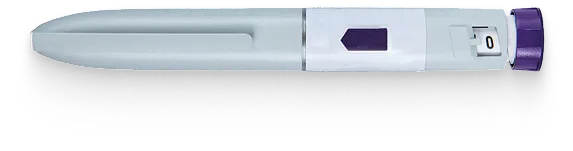
One of the most critical aspects of undergoing any medical procedure while using GLP-1 receptor agonists (the medicine class Wegovy belongs to) is timing your medication doses. Wegovy works by mimicking hormones that slow down gastric emptying, keeping food in your stomach longer to help you feel full. While this is highly beneficial for managing obesity, it introduces a significant safety risk when general anaesthesia is required.
During general anaesthesia, a full stomach increases the risk of pulmonary aspiration—a serious complication where stomach contents enter the lungs. To prevent this, clinical guidelines in the UK generally recommend pausing your weekly injections prior to surgery. Depending on the type of procedure and your anaesthetist’s instructions, you may need to pause Wegovy for at least one to two weeks before your operation.
You should only restart your medication once you are eating normally and your surgeon has confirmed that your digestive system is working as expected. If you also manage type 2 diabetes, it is vital to consult your GP or specialist team to ensure your blood glucose levels remain stable while Wegovy is paused.
Nutrition and Wound Healing During Surgery Recovery on Wegovy
A successful recovery requires shifting your mindset from weight loss to physical rebuilding. When you are taking a GLP-1 medication, your appetite is naturally suppressed. However, the healing process is highly metabolic; your body actually needs to burn significantly more calories to repair deep tissues, regenerate skin, and fight off potential infections.
If you resume your weekly injections too quickly after surgery, the resulting appetite suppression might make it incredibly difficult to consume the nutrients your body desperately needs. Pharmacist Zeinab Ardeshir advises patients not to rush back onto their weight management treatments too soon. Prioritising healthy living during this healing phase means ensuring your daily diet is packed with essential building blocks:
- Protein and Collagen: These are the fundamental structural components required to rebuild damaged skin and underlying tissues.
- Vitamin C and Zinc: Essential micronutrients that play a direct role in collagen synthesis, immune function, and cellular repair.
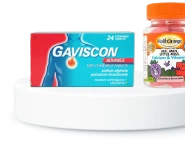
- A General Multivitamin: Helps establish a baseline of essential nutrients, supporting overall recovery and energy levels.
By giving your body the fuel it needs, you protect your long-term health and ensure that your surgical incisions heal cleanly, reducing the risk of complications such as wound breakdown or excessive scarring.
Practical Wound Care Tips After Surgery
Wound healing is a gradual, internal process. While the surface scar may look closed within a few weeks, the deeper tissues take months to fully adhere and regain their strength. Supporting this delicate process requires a structured approach to wound care, dressings, and hygiene.
In the first few days following surgery, the primary goal is to create a protective, clean environment. Pharmacist Zeinab Ardeshir recommends a three-layer dressing system to support early healing:
- Non-Adherent Base Layer: A gentle mesh, such as Atrauman, is placed directly over the raw wound. Because it does not stick, it can be changed without disrupting the fragile new skin cells. Some versions, like Atrauman Ag, contain silver to help keep infections at bay.
- Foam Layer: A soft foam dressing, such as Mepilex, is placed over the base. This absorbs excess fluid while keeping the wound bed moist. Clinical evidence shows that a moist wound environment heals significantly faster than a dry, scabbed one.
- Film Layer: A clear film dressing, like Tegaderm, is used on top to secure the other layers, keep the area clean, and allow for easy visual inspection.
To support a smooth recovery, you should also use compression garments if they have been prescribed by your surgeon. These garments keep tissues in place, reduce swelling, and prevent fluid build-up. If the garments cause uncomfortable friction or pressure over your incision sites, pressure-reducing silicone pads can be placed underneath to protect your skin.
For daily hygiene, showering is often safe 24 to 48 hours after surgery if you use water-resistant dressings like hydrocolloid DuoDerm, but always confirm timing with your surgical team first. However, you should avoid soaking the wound in baths, hot tubs, or swimming pools for as long as your surgical team advises — often six to eight weeks. When drying the area, always gently pat the wound dry with a clean towel rather than wiping it, which can cause painful friction and tear the healing skin.
Finally, inspect your surgical site daily for any signs of infection, such as increased redness, yellow oozing, swelling, or an unusual odour. If you notice any of these symptoms, contact your surgical team or GP immediately. Taking a proactive approach to your general health and wound care will ensure that your recovery is as comfortable and successful as possible.
Need Support or Have Questions?
If you have concerns or need further advice, our team at PillSorted is here to help. Contact us via our support portal: PillSorted Support.
Disclaimer: This blog post is for informational purposes only and does not constitute medical advice. Always consult a qualified healthcare professional before making changes to your health routine.