
















Effective Mounjaro Heartburn Relief Options



Starting a weight-loss treatment can be an empowering step towards improving your health, but digestive side effects can sometimes cause discomfort along the way. If you are taking GLP-1 medications and experiencing indigestion or acid reflux, finding safe and effective Mounjaro heartburn relief is key to continuing your treatment comfortably. In this guide, our superintendent pharmacist Zeinab Ardeshir explains why these digestive symptoms happen and how you can manage them effectively.
In this post:
What is heartburn and why does it happen?
Heartburn is a common burning sensation experienced in the chest or upper abdomen. It occurs when stomach acid leaks backwards through the lower oesophageal sphincter—the muscular valve located at the top of the stomach—and travels up into the gullet (oesophagus). Unlike the lining of your stomach, which is designed to withstand strong digestive acids, the lining of your gullet is sensitive and easily irritated.
When stomach acid repeatedly enters the gullet, it creates a localised inflammation that causes the characteristic burning feeling. If frequent heartburn is left unmanaged over a long period, acid reflux can, in severe cases, scar the oesophageal lining. This scarring may lead to difficulty swallowing and long-term digestive complications. Addressing symptoms early is essential for protecting your gullet and maintaining your general health.
It is crucial to recognise when chest discomfort requires urgent medical attention. If you experience crushing chest pain, or pain that spreads to your arm, jaw, neck or back, call 999 immediately, as this may indicate a serious underlying condition unrelated to reflux, such as a heart attack.
Why GLP-1 medications cause acid reflux
Clinical trial data suggests that approximately 1 in 20 patients taking GLP-1 treatments like Mounjaro and Wegovy experience heartburn specifically, while gastrointestinal side effects more broadly are much more common, accounting for around 70% of side effects reported in people taking GLP-1 medications, compared to 47% among those taking a placebo. This makes digestive symptoms a common consideration in obesity management with GLP-1 therapies.
The primary reason GLP-1 treatments cause acid reflux lies in how these medications work inside the digestive system. GLP-1 medications slow down the rate at which your stomach empties its contents into the intestines. Because food sits in the stomach for longer, it stays fuller for longer too. This delayed emptying increases pressure inside the stomach, making it significantly easier for acid to splash back up into the gullet.
Furthermore, when food remains in the stomach longer, natural gastric enzymes continue breaking it down. This extra processing time leads to fermentation, which produces gas. The combination of trapped gas, bloating, and increased stomach fullness directly contributes to heartburn and upper digestive discomfort.
Medications and supplements that worsen reflux
If you are experiencing acid reflux while taking a GLP-1 medication, it is helpful to review other medicines or supplements you take regularly. Certain other medications can aggravate heartburn or irritate the lining of the gullet:
- Non-Steroidal Anti-Inflammatory Drugs (NSAIDs): Painkillers such as ibuprofen can irritate the stomach lining and worsen acid production.
- Calcium channel blockers: Commonly prescribed for blood pressure, these can relax the lower oesophageal sphincter.
- Bisphosphonates: Treatments like alendronic acid can cause severe oesophageal irritation. These must always be swallowed with a full glass of water while sitting or standing upright, and you should remain upright for at least 30 minutes afterwards to prevent severe reflux.
- Antibiotics: Certain antibiotics, such as doxycycline, can irritate the gullet. To help prevent this, avoid lying down for at least 30 minutes after taking them, and always take them with a full glass of water.
- Opioids: These pain-relieving medicines slow down the movement of food through the gut, further adding to delayed stomach emptying.
Additionally, common dietary supplements can trigger or exacerbate heartburn. Products such as fish oil capsules, omega-3 supplements, apple cider vinegar, and commercial fat burners are known to irritate the stomach lining or worsen reflux symptoms. Pausing non-essential supplements under professional guidance can often bring significant relief.
Over-the-counter options for Mounjaro heartburn relief
For mild or occasional acid reflux, several simple interventions and over-the-counter remedies can offer fast, accessible relief as part of healthy living. A simple initial step is sipping a glass of water, which helps wash lingering acid back down into the stomach.
If water alone is insufficient, several simple pharmacy treatments are available:
- Antacids: Formulations containing calcium carbonate neutralise existing stomach acid quickly, providing prompt, temporary relief.
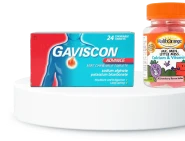
- Alginates: Remedies such as Gaviscon form a protective physical barrier or “raft” on top of the stomach contents, preventing acid from rising up into the gullet.
- Bismuth subsalicylate: Products like Pepto-Bismol help coat the stomach lining and calm mild digestive upset, indigestion, and nausea.
If delayed gastric emptying causes trapped wind and bloating alongside reflux, specific remedies can help address the excess gas. Products containing simethicone help break down gas bubbles in the gut, while gentle fibre supplements like Fybogel can aid overall digestive regularity and
Advanced options for Mounjaro heartburn relief
When over-the-counter antacids do not deliver sufficient relief, your healthcare provider or pharmacist may recommend stronger, targeted acid-suppression treatments. Proton Pump Inhibitors (PPIs)—such as omeprazole, lansoprazole, and esomeprazole—work by lowering the overall amount of acid your stomach produces.
To get the best results from PPIs, it is important to understand how they work. PPIs are most effective when taken daily before food, and they require a few days of consistent use to build up in the body and achieve full acid-reducing effects. They are not intended for instant, on-demand relief, but rather for structured short-term management of persistent acid reflux.
In some cases, H2 receptor blockers such as famotidine can be added to your treatment plan to help further decrease stomach acid levels. If your heartburn persists beyond two weeks to a month despite using acid remedies, it is essential to consult your doctor. Persistent symptoms can sometimes be linked to an underlying Helicobacter pylori (H. pylori) bacterial infection, which requires a formal medical diagnosis and specific treatment.
Dosage and lifestyle adjustments for Mounjaro heartburn relief
Managing digestive side effects often comes down to how your GLP-1 dosage is managed. If you notice a significant increase in severe heartburn, trapped wind, or bloating after stepping up to a higher GLP-1 dose, remember that there is no rush to advance to higher doses too quickly. Your body needs time to adapt to the medication.
Rather than rushing through titration steps while suffering from severe reflux, speak with your prescribing clinician. Under professional healthcare guidance, your dose can be adjusted or temporarily held at the current level until your digestive system settles. Taking a temporary pause at your current dose allows side effects to dissipate safely while maintaining treatment progress.
Simple lifestyle habits can also support your recovery. Eating smaller, more frequent meals rather than large portions reduces the volume of food in your stomach at any one time. Avoiding lying down immediately after eating and remaining upright after meals gives your stomach time to empty naturally, minimizing acid regurgitation and helping you achieve sustained comfort throughout your weight-loss journey.
Need Support or Have Questions?
If you have concerns or need further advice, our team at PillSorted is here to help. Contact us via our support portal: PillSorted Support.
Disclaimer: This blog post is for informational purposes only and does not constitute medical advice. Always consult a qualified healthcare professional before making changes to your health routine.


