
















How to Stop Sulphur Burps Wegovy Side Effects



Starting a new journey with weight-loss treatments can feel incredibly empowering, but unexpected side effects can sometimes catch you off guard. If you are experiencing a strange, rotten-egg taste in your mouth, you might be dealing with the sulphur burps wegovy patients sometimes report during their treatment. While this symptom can be unpleasant and embarrassing, understanding why it happens and how to manage it can help you stay comfortable and confident on your path to better health.
In this post:
- What Are Sulphur Burps and Why Do They Smell Like Rotten Eggs?
- How Wegovy and Mounjaro Trigger Sulphur Burps Wegovy Symptoms
- Dietary Triggers: Protein, Fats, and Fermentation
- How to Adjust Your Diet to Stop Sulphur Burps Wegovy Side Effects
- Over-the-Counter Medicines for Sulphur Burps Wegovy Relief
- When to See a Doctor: Red Flags and Warning Symptoms
What Are Sulphur Burps and Why Do They Smell Like Rotten Eggs?
Burping is a completely natural bodily function. It is simply the body’s way of releasing trapped air from the food tube. Many everyday habits can cause us to swallow extra air, such as talking or breathing through the mouth while eating, chewing gum, or drinking fizzy drinks. Under normal circumstances, these burps are virtually odourless.
However, when you experience sulphur burps, the gas released has a distinct, unpleasant smell reminiscent of rotten eggs. As pharmacist Zeinab Ardeshir explains, “That smell of rotten eggs is hydrogen sulfide, and it happens with the breakdown of protein in our digestive system.” When natural gut bacteria break down proteins that contain sulfur, they release hydrogen sulfide gas. If this gas builds up in your digestive tract, it eventually travels back up the food tube, leading to these smelly burps.
How Wegovy and Mounjaro Trigger Sulphur Burps Wegovy Symptoms
GLP-1 receptor agonists, such as Wegovy and Mounjaro, are highly effective treatments used for obesity management. They work by mimicking natural hormones to regulate your appetite and slow down your digestion. While this delayed gastric emptying is excellent for keeping you feeling fuller for longer, it also means that food remains in your stomach and digestive tract for an extended period.
Because digestion is significantly slowed, your gut bacteria have much more time to ferment the food in your stomach. This prolonged fermentation process leads to a higher accumulation of hydrogen sulfide gas. Furthermore, constipation is a very common side effect of GLP-1 treatments; when waste moves slowly through the bowel, it compounds the buildup of gas and worsens the frequency of sulphur burps.
It is helpful to put this side effect into perspective. While nausea is classified as a “very common” side effect (affecting more than 1 in 10 people), sulphur burps are classified as a “common” side effect. This means they affect between 1 in 10 and 1 in 100 people. Knowing that you are not alone can make managing this symptom much easier as your body adjusts to the medication.
Dietary Triggers: Protein, Fats, and Fermentation
When embarking on a weight-loss program, many patients consciously increase their protein intake to help preserve muscle mass. While this is an excellent strategy for healthy living, a high-protein diet naturally introduces more sulfur-containing amino acids into your digestive system, which can exacerbate the smell of your burps.
Certain dietary habits can make this issue significantly worse:
- Large protein portions: Eating a heavy amount of protein in a single sitting overloads the stomach, giving the slowed digestive system too much to process at once.
- High-fat pairings: Pairing rich proteins with fatty foods slows down your digestion even further, giving bacteria even more time to produce gas.
- Whey protein and sweeteners: Whey-based protein shakes and sugar-free products containing artificial sweeteners are notorious triggers, as they carry high sulfur loads and ferment rapidly in the gut.
Additionally, certain concurrent medications can worsen these symptoms by further slowing down your gut or causing constipation. These include opioid pain relief (such as co-codamol), gabapentin, pregabalin, and the weight-loss medication Orlistat.
How to Adjust Your Diet to Stop Sulphur Burps Wegovy Side Effects
You do not need to abandon your nutritional goals to find relief. Pharmacist Zeinab Ardeshir advises, “I really don’t want you to cut down on the protein, but if you do spread it out, it makes it much easier.” Instead of consuming large portions of protein at once, space smaller, manageable portions evenly throughout your day.
Making mindful ingredient swaps can also make a massive difference to your comfort. You should temporarily avoid high-sulfur vegetables like broccoli and cabbage, as they cause higher levels of fermentation and worsen the odour. Instead, focus on building a gut-friendly diet around the following easily digestible options:
- Chicken and tofu (excellent, lighter protein sources)
- White rice
- Carrots
- Courgettes
- Peeled squash
Over-the-Counter Medicines for Sulphur Burps Wegovy Relief
If dietary changes are not quite enough, there are several over-the-counter options available at your pharmacy to help manage your symptoms and support your general health:
- Bismuth subsalicylate (Pepto-Bismol): This is highly recommended because, as Zeinab notes, “This is the only one that actually can target the smell and get rid of the smell for you because it affects the sulfide.” It actively binds to the sulfide in your gut to eliminate the odour. Caveat: It can cause a harmless, temporary darkening of your tongue and stool. You must not take this medicine if you are taking aspirin or other blood thinners, or if you are pregnant or breastfeeding. Always consult a pharmacist before starting Pepto-Bismol.
- Simeticone (Windeze): This medication helps to break up trapped wind and relieve bloating. However, keep in mind that while it helps disperse gas, it is not highly effective at reducing the sulfur smell itself.
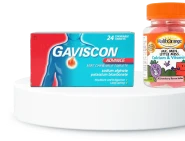
- Antacids and alginates (such as Gaviscon or Peptac): These work by creating a protective foam barrier at the top of your stomach, helping to prevent gas and food from travelling back up your food tube.
When to See a Doctor: Red Flags and Warning Symptoms
While sulphur burps are generally a harmless, albeit unpleasant, side effect of your body adapting to weight-loss medication, there are certain “red flag” symptoms that require immediate medical attention.
If your sulphur burps are accompanied by constant vomiting where you cannot keep fluids down, this is a serious warning sign. Zeinab warns, “If it comes with vomiting… and you can’t even keep the fluids down… that needs urgent assessment.” Additionally, if you experience severe diarrhea alongside these burps, it is usually a sign of an underlying gastrointestinal infection, such as Giardia, which requires professional medical evaluation and treatment. Always listen to your body and seek professional advice if your symptoms feel severe or unmanageable.
Need Support or Have Questions?
If you have concerns or need further advice, our team at PillSorted is here to help. Contact us via our support portal: PillSorted Support.
Disclaimer: This blog post is for informational purposes only and does not constitute medical advice. Always consult a qualified healthcare professional before making changes to your health routine.


