














Understanding Postpartum Hair Loss: Causes & Recovery


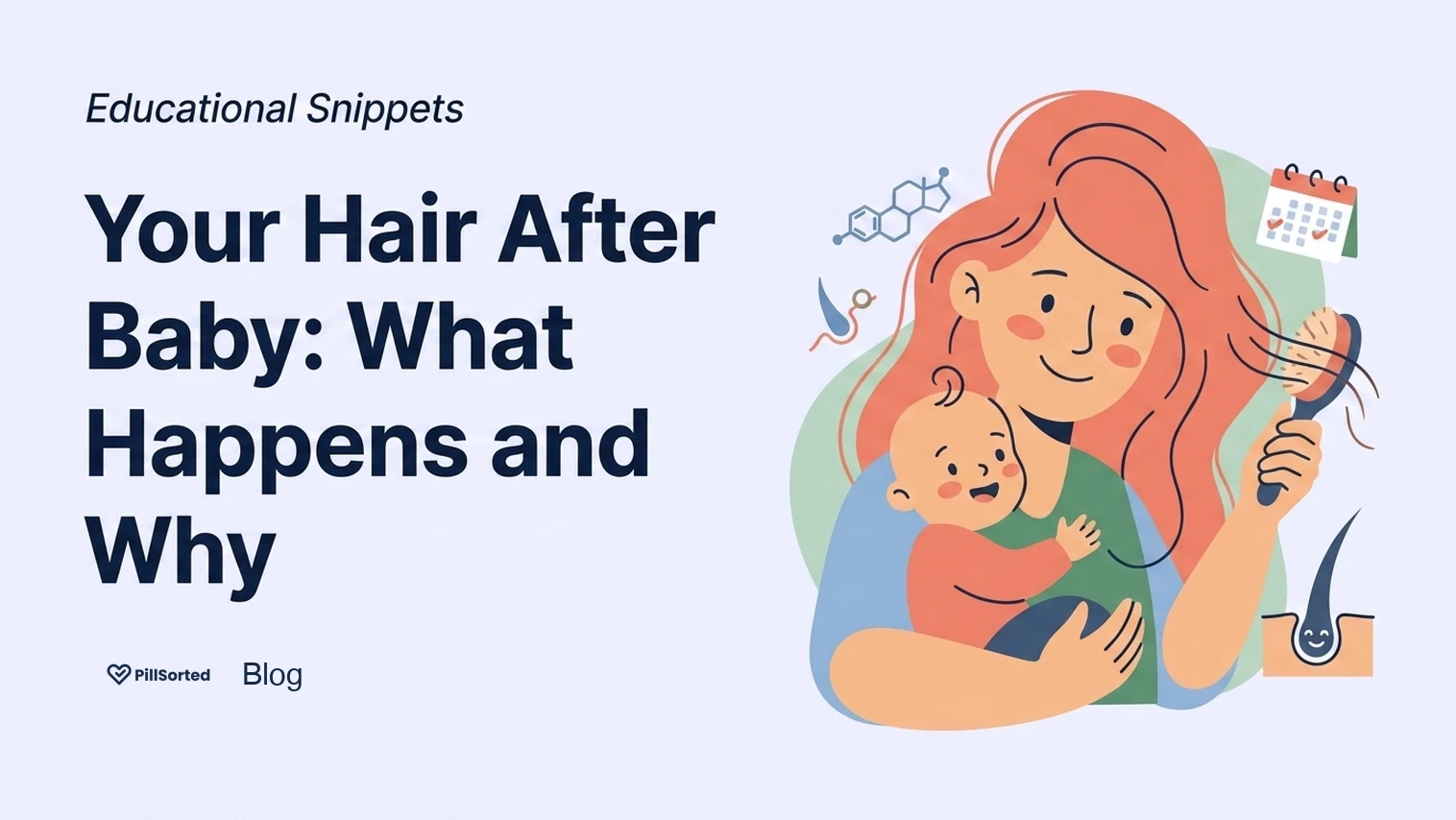
During pregnancy, many women enjoy thick, glossy, and gorgeous hair. However, once your baby arrives, you might suddenly notice your hair shedding in alarming clumps. This experience, known as postpartum hair loss, can be incredibly distressing and even a little scary during an already overwhelming time. In this post, we will explore why this shedding occurs, how your hormones are involved, and what you can do to support your hair’s recovery.
In this post:
What Causes Postpartum Hair Loss?
To understand why your hair is falling out, we need to look at what happens to your body during pregnancy. Throughout those nine months, your body produces a very high amount of oestrogen. This hormone surge is responsible for that classic “pregnancy glow” and beautiful, healthy-looking skin.
Crucially, oestrogen also alters your hair growth cycle. Hair typically goes through a growth phase (anagen), a transitional phase (catagen), and a resting phase (telogen) before shedding. High oestrogen levels keep your hair in the growth phase for much longer than usual. This is why many women notice their hair feels incredibly thick and voluminous while pregnant.
Once you give birth, however, your body undergoes a dramatic hormonal shift. Your oestrogen levels crash rapidly back to normal. This sudden drop signals all the hair follicles that were kept in the prolonged growth phase to transition into the resting and shedding phase all at once. Clinically, this type of temporary shedding triggered by a physical shock or hormonal shift is known as telogen effluvium.
When to Expect Recovery From Postpartum Hair Loss
If you are currently finding clumps of hair in your hairbrush or shower drain, you are likely wondering how long this phase will last. Typically, most women begin to notice increased hair shedding around two to four months after giving birth.
Because the hair growth cycle operates in months rather than days or weeks, recovery takes time. It is important to be patient with your body. For most mothers, hair shedding will begin to slow down, and normal growth patterns will resume around 12 to 18 months postpartum.
This recovery timeline is a normal part of postpartum recovery, but certain lifestyle factors, physical stressors, and nutritional deficiencies can influence how quickly your hair bounces back.
How to Manage Postpartum Hair Loss
While you cannot completely prevent the hormonal shift that triggers telogen effluvium, you can take practical steps to support your hair follicles and overall general health during this recovery period.
- Prioritise Nutrition: Your body needs adequate nutrients to rebuild. Many women experience low iron levels postpartum due to blood loss during delivery and the increased nutritional demands of postpartum recovery and breastfeeding. Ensure you check your iron levels with a healthcare professional, as low iron directly impacts hair growth.
- Increase Your Protein Intake: Hair is primarily made of protein. Aim for 1.2 grams of protein per kilogram of body weight daily. If you are breastfeeding, increase this to 1.5 grams per kilogram to support both your baby and your own recovery. Incorporating lean meats, fish, eggs, and legumes is an excellent way to practise healthy living.
- Incorporate Key Supplements: Ensure you are getting enough B-complex vitamins, zinc, and vitamin D. Because the body does not store B vitamins, a continuous supply is essential for new hair growth. A high-quality postpartum multivitamin is often a great place to start.
- Be Gentle with Your Hair: Avoid harsh chemical treatments, heat styling, and tight hairstyles (such as high ponytails or buns) that put physical tension on the hair shaft.
- Manage Weight Loss Gradually: If you are planning a postpartum weight loss journey, it is vital to proceed slowly. Rapid weight loss is a major physical stressor that can trigger another round of telogen effluvium. Sudden weight changes or starting certain GLP-1 medications have also been linked to hair shedding in some patients, due to the physical stress this places on the body. Wait at least three months postpartum to allow your body to heal before focusing on weight management.
When Postpartum Hair Loss Signals Other Issues
While temporary shedding is entirely normal, there are times when hair thinning may indicate an underlying medical issue that requires professional attention.
You should consult a GP or pharmacist if you notice any of the following symptoms:
- The shedding continues past 18 months postpartum despite maintaining good nutrition and rest.
- You notice distinct bald patches rather than generalised, even shedding. Round, smooth bald spots can indicate an autoimmune condition like alopecia areata.
- You see thinning concentrated specifically at the top of your head, which may point to androgenic (pattern) hair loss linked to ongoing hormonal fluctuations.
- Your hair loss is accompanied by other systemic symptoms, such as extremely heavy periods, feeling constantly cold, unexplained weight changes, or severe fatigue. These signs could point to thyroid dysfunction or other metabolic changes.
For those who are not breastfeeding and have addressed their nutritional needs, short-term topical treatments like minoxidil (available under brand names such as Regaine) may be recommended to help stimulate regrowth more rapidly, though it does not treat the underlying hormonal cause of telogen effluvium. Always speak with your pharmacist or GP before starting any new treatments to ensure they are safe for your specific circumstances.
Need Support or Have Questions?
If you have concerns or need further advice, our team at PillSorted is here to help. Contact us via our support portal: PillSorted Support.
Disclaimer: This blog post is for informational purposes only and does not constitute medical advice. Always consult a qualified healthcare professional before making changes to your health routine.