















Postpartum Weight Loss: Why Rushing Backfires


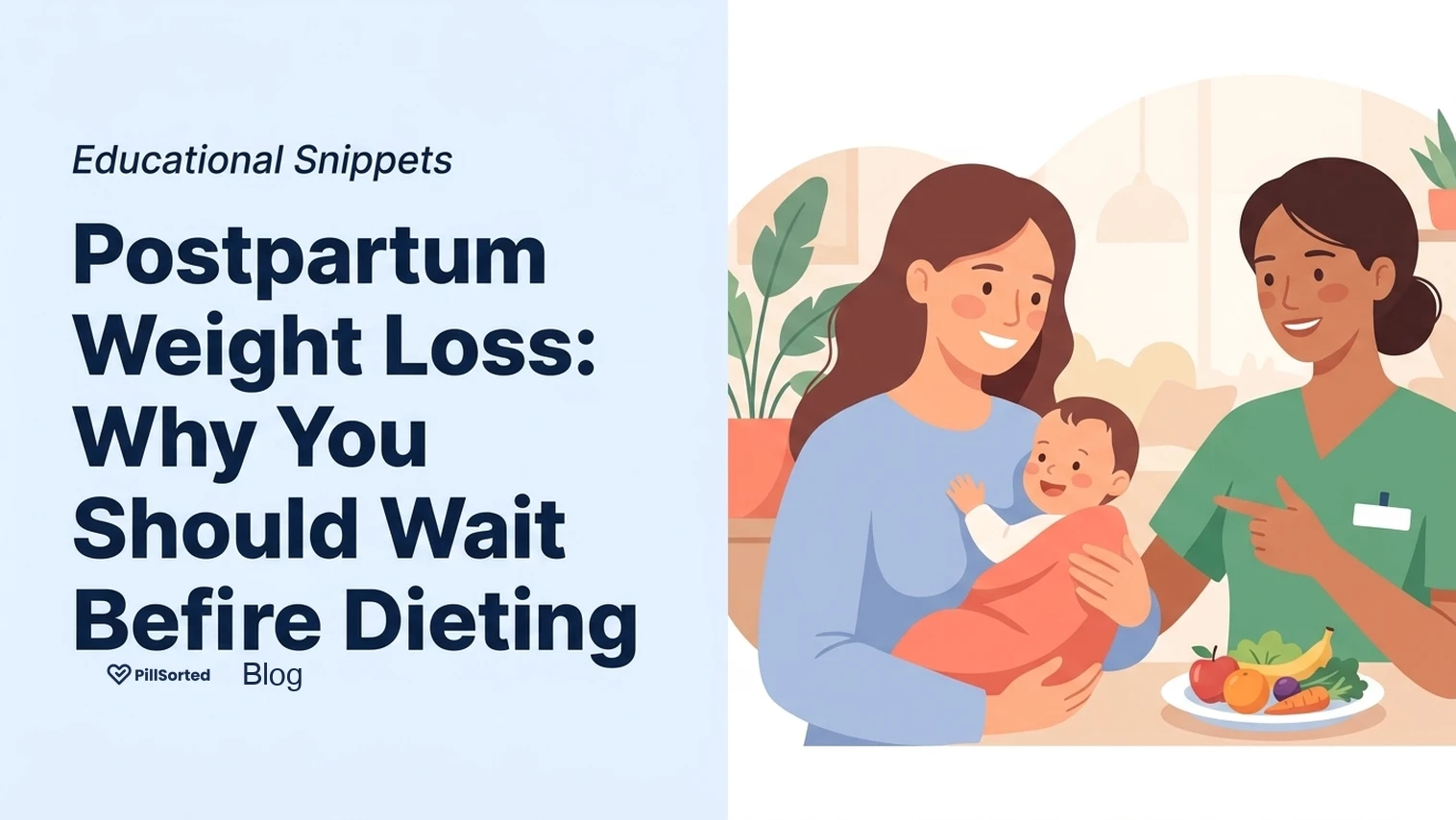
Welcoming a new baby into the world is a beautiful, life-changing experience, but it also places immense physical and emotional demands on your body. In the weeks and months following childbirth, many new mothers feel a strong desire to return to their pre-pregnancy weight, making postpartum weight loss a major priority. However, rushing into restrictive diets or jumping onto the latest weight management trends too quickly can actually backfire, stalling your recovery and impacting your long-term health. In this post, our Superintendent Pharmacist at PillSorted, Zeinab Ardeshir—who is also a mother of three—shares expert clinical guidance on how to navigate this journey safely and why patience is your greatest ally.
In this post:
Why Rushing Postpartum Weight Loss Can Backfire
During pregnancy, your body undergoes profound metabolic and structural changes to support your growing baby. Once your child is born, the healing process begins, but this recovery requires a significant amount of energy. If you are breastfeeding, your body’s nutritional demands actually increase. In fact, lactating mothers require an additional 300 to 500 calories per day just to maintain a healthy milk supply and support their baby’s growth.
Attempting a restrictive diet or aiming for rapid weight loss too soon after giving birth can severely disrupt this delicate balance. When you restrict calories or push your body too hard, it can lead to several complications:
- Extreme exhaustion: Your body is already dealing with sleep deprivation and physical healing. Under-eating leaves you without the basic energy required to care for yourself and your infant.
- Compromised milk supply: Severe calorie deficits can signal to your body that resources are scarce, which may cause a sudden and stressful drop in your breast milk production.
- Delayed physical healing: Recovering from childbirth—whether a vaginal delivery or a C-section—requires adequate protein, vitamins, and minerals. Rushing your diet deprives your tissues of the building blocks they need to repair.
Instead of focusing on restriction, the first few months should be entirely about nourishment, hydration, and rest. Prioritising nutrient-dense foods will support your recovery and build a strong foundation for future weight management efforts when your body is truly ready.
Are GLP-1 Injections Safe for Postpartum Weight Loss?
With the rise of highly effective clinical options for weight loss, many new mothers wonder if they can use GLP-1 receptor agonists—such as Wegovy (semaglutide) or Mounjaro (tirzepatide)—to accelerate their progress. This is a very common question, particularly for those managing postpartum weight gain or struggling with clinical obesity after successive pregnancies.
However, as Zeinab explains, the clinical evidence regarding the safety of these medications during breastfeeding is still very limited. Here is what the current scientific data tells us:
- Lack of extensive research: There are very few clinical trials looking at GLP-1 use in lactating women. Currently, we are aware of only one small 2024 study that monitored eight breastfeeding mothers taking Wegovy, so this evidence remains very limited.
- The molecular science: Semaglutide is a relatively large molecule, and approximately 99% of it binds to proteins in the mother’s body. Because of this, only incredibly tiny amounts are able to pass into breast milk. Furthermore, any small amount that does pass through is highly unlikely to survive the acidic environment of the baby’s digestive tract.
- The long-term unknown: While the molecular theory suggests that the risk to the infant is low, we completely lack long-term studies evaluating the developmental impact of these medications on infants over time.
Because of these unknowns, neither Wegovy nor Mounjaro is licensed for use during breastfeeding. Both the manufacturer guidance and current NHS advice indicate that GLP-1 medications are not recommended while breastfeeding, due to a lack of safety data. If you are breastfeeding, the safest clinical approach is to wait until your baby is fully weaned before considering these treatments.
Safe Timelines for Healthy Postpartum Weight Loss
If rushing into a diet is counterproductive, what does a safe and healthy timeline look like? The key is to view your recovery in distinct phases, allowing your body the grace and time it needs to heal before shifting your focus toward active weight management.
During the first two to three months, your primary goal should be recovery and establishing your breastfeeding routine. Once you have passed this initial healing phase, and especially after you have finished breastfeeding, you can begin to plan a structured weight management journey. Before starting any new diet, exercise programme, or medication, we highly recommend booking a comprehensive blood test to evaluate your overall metabolic health. This clinical baseline should assess:
- Thyroid function: Postpartum thyroiditis (temporary inflammation of the thyroid gland after childbirth) is relatively common and can cause unexpected weight changes, fatigue, and mood fluctuations.
- Kidney and liver function: Ensuring these vital organs are functioning optimally is essential before altering your diet or starting new treatments.
- Blood sugar levels: Checking your HbA1c (a blood test showing your average blood sugar levels) is particularly important if you experienced gestational diabetes, as this increases your long-term risk of developing type 2 diabetes.
- Nutritional status: Verifying that your iron and vitamin D levels are sufficient will help prevent the deep fatigue that often derails lifestyle changes.
By building your weight management plan on a foundation of solid clinical data, you can avoid the trap of crash dieting and instead work toward a gradual, sustainable, and healthy reduction in weight.
Signs Your Body Needs More Support
As you navigate life with a newborn, it is vital to listen to the warning signs your body sends you. If you attempt to push too hard or restrict your food intake, your body will let you know. Watch out for a sudden, unexplained drop in your breast milk production, or feelings of profound, unshakeable physical exhaustion. Additionally, your mental health is just as important as your physical recovery; if you find yourself feeling increasingly anxious, overwhelmed, or worried, these are clear indicators that your current routine is placing too much stress on your system.
Remember, your body has just achieved something extraordinary. Treating yourself with kindness, prioritising nutrition, and working alongside healthcare professionals will always yield the safest and most sustainable results for both you and your baby.
Need Support or Have Questions?
If you have concerns or need further advice, our team at PillSorted is here to help. Contact us via our support portal: PillSorted Support.
Disclaimer: This blog post is for informational purposes only and does not constitute medical advice. Always consult a qualified healthcare professional before making changes to your health routine.