















Wegovy Hair Loss: Why It Happens and How to Manage It


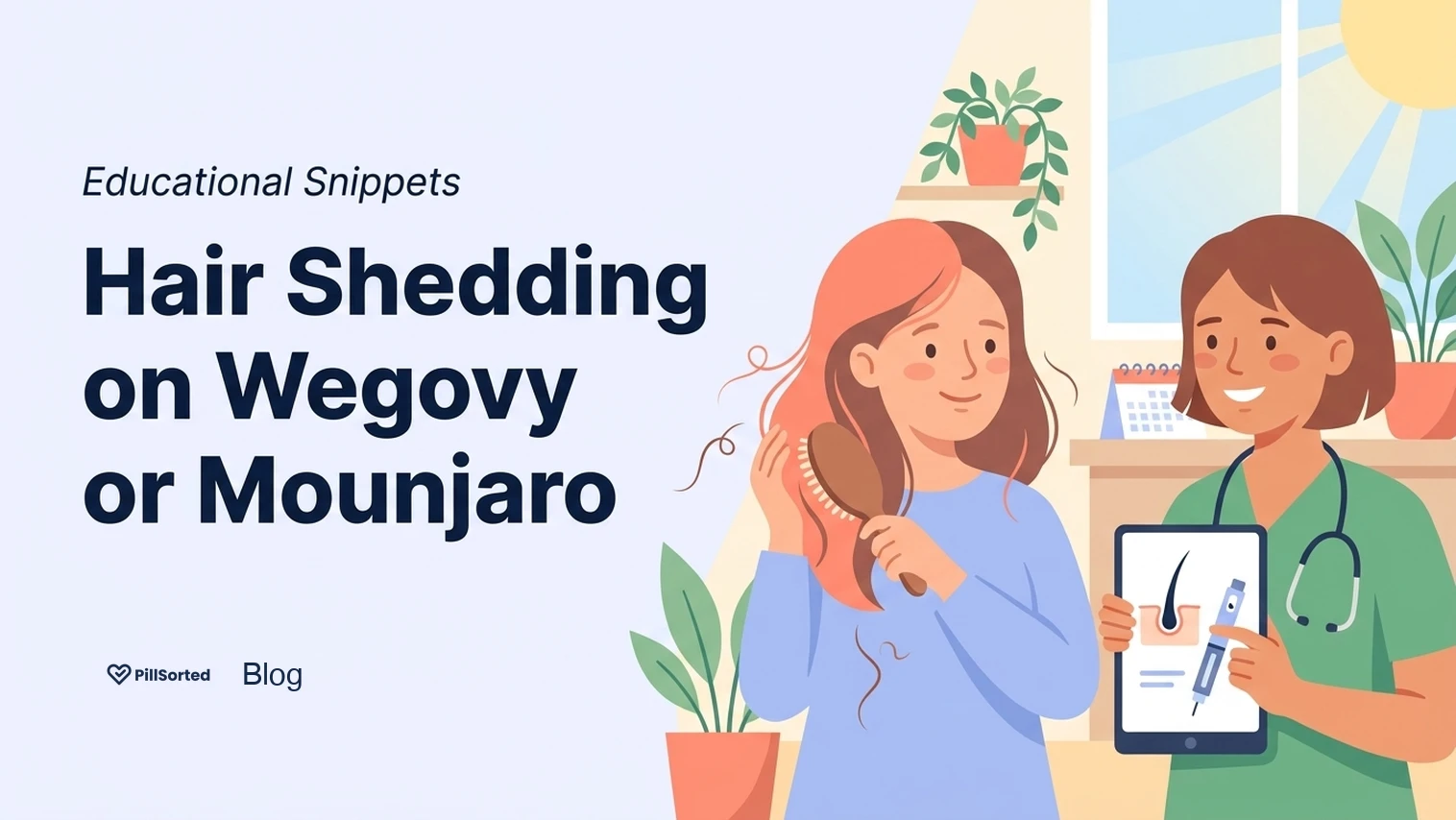
Starting a journey toward better health with modern weight management treatments can be incredibly empowering, but noticing unexpected changes like Wegovy hair loss can feel unsettling. Many patients undergoing treatment for obesity report sudden hair shedding a few months into their programme. If you are experiencing this, you might be wondering whether your medication is directly to blame. In this post, our Superintendent Pharmacist, Zeinab Ardeshir, explains the science behind hair shedding during rapid weight loss and shares practical steps to help your hair recover.
In this post:
What is Wegovy Hair Loss and Why Does It Happen?
To understand why you might be losing hair, it helps to look at the natural hair growth cycle. At any given time, roughly 85% to 90% of your hair follicles are in the active growth phase. The remaining follicles are in a resting phase before they eventually shed. When your body experiences a major physiological stressor, it can trigger a condition known as telogen effluvium.
During telogen effluvium, an abnormally high number of hair follicles transition from the growth phase into the resting phase. This sudden shift is often caused by the physical strain of rapid weight loss. The resulting hair shedding typically starts two to four months after the initial stressor begins. Because the shedding process takes two to three months to complete, you might notice your hair coming out in larger volumes for up to six months, which can understandably be distressing and take a toll on your mental wellbeing.
Does Wegovy Directly Cause Hair Loss?
A common question among patients is whether GLP-1 receptor agonists directly damage hair follicles. Clinical trials provide helpful context. In the STEP 1 clinical trial for Wegovy, approximately 3% of participants reported hair loss, compared to 1% of those taking a placebo. Similarly, in the SURMOUNT trials for Mounjaro, about 5% of patients experienced hair loss compared to 1% in the placebo group. While this indicates that hair shedding is a recognised side effect, the data suggests that it is not the drug itself causing the damage, but rather the speed of the weight loss journey.
The faster and more substantial your weight loss, the more likely your body is to perceive this change as a form of physical stress. When you consume fewer calories, your body prioritises its limited energy resources for vital organs, temporarily putting less essential functions like hair growth on hold. Furthermore, because these medications reduce your appetite, you may experience a nutritional deficit. Without a conscious effort to support your body with nutrient-dense foods, your hair follicles will lack the essential building blocks they need to sustain healthy growth.
How to Manage Wegovy Hair Loss Effectively
The good news is that telogen effluvium is a temporary, self-limiting condition. Once your body adapts to its new weight and nutritional intake, your hair will typically start to recover. However, there are several active steps you can take to support your hair health and promote healthy living during this transition:
- Prioritise protein intake: Protein is vital for your hair because follicles require amino acids to build hair structure. Aim to consume approximately 1.2 grams of protein per kilogram of your body weight daily. Include lean meats, fish, eggs, lentils, and chickpeas in your meals.
- Get a comprehensive blood test: It is highly recommended to have your blood levels checked to rule out other causes of hair shedding. A blood test can assess your red blood cells, iron levels (ferritin), thyroid function, vitamin D, zinc, and B vitamins.
- Incorporate nutrient-rich foods: Focus on food sources rich in essential vitamins and minerals. Iron can be found in poultry, fish, spinach, and lentils. Pumpkin seeds are an excellent source of both iron and zinc, while whole grains provide B vitamins, and fortified cereals can help boost your vitamin D intake.
- Avoid excessive supplementation: While supplements can address specific deficiencies, taking extremely high doses of any single nutrient can disrupt the balance of others. Always stick to the recommended daily allowances.
- Be gentle with your hair: Protect your sensitive scalp by avoiding harsh chemical treatments, tight hairstyles, or aggressive scalp cleansers. Brush your hair regularly and gently, and consider using natural oils to nourish your scalp.
If you find that the shedding is occurring too quickly, it may be a sign that you need to slow down the rate of your weight loss. Speak with your prescriber about potentially adjusting your dose or temporarily stepping away from a severe calorie deficit to give your body time to stabilise.
What to Look Out For During Your Journey
While temporary hair thinning is a common response to rapid weight loss, there are certain symptoms that require closer medical attention. You should consult a healthcare professional if you notice any of the following:
- Shedding that continues past 12 months, despite optimising your nutrition and stabilising your weight.
- The appearance of coin-sized, distinct bald patches, which can sometimes indicate conditions like alopecia areata.
Need Support or Have Questions?
If you have concerns or need further advice, our team at PillSorted is here to help. Contact us via our support portal: PillSorted Support.
Disclaimer: This blog post is for informational purposes only and does not constitute medical advice. Always consult a qualified healthcare professional before making changes to your health routine.